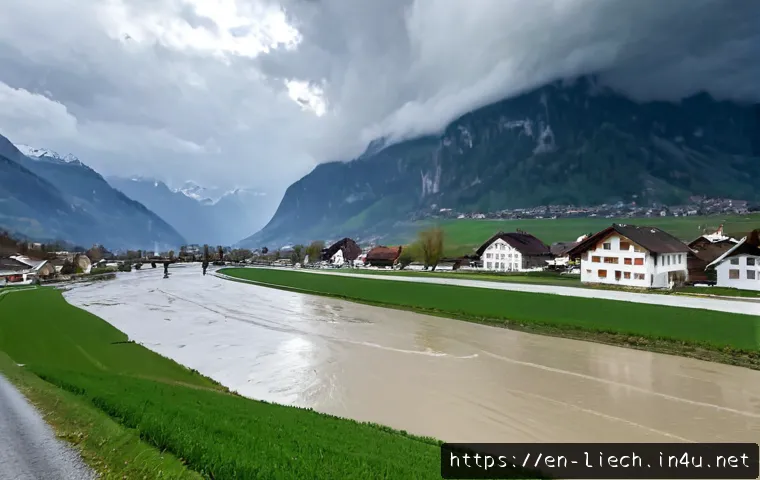
Liechtenstein’s main natural hazards are Rhine Valley flooding, avalanches, landslides, rockfalls, and debris flows in mountain terrain. Risk is highly local: a valley-floor stay, a mountain road, and a hiking route can face very different conditions on the same day.
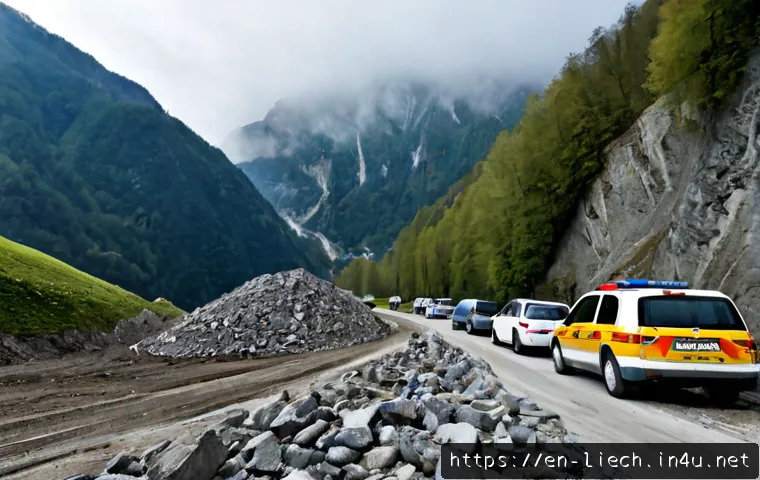
The 1927 Rhine flood remains important historic context for low-lying areas, but it is not a present-day warning. Travelers should check local weather, road, trail, and safety updates before heading into higher terrain or during severe rain.
Property buyers and accommodation operators should consider drainage, slope proximity, access routes, and insurance terms before making decisions. Comparing travel insurance, property insurance, and flexible booking conditions can be worthwhile when a trip or property has meaningful exposure to alpine weather disruption.
Quick Overview
- Valley areas can face flood-related risk during severe rainfall or high Rhine flows.
- Mountain slopes, roads, and trails may be exposed to avalanches, rockfalls, landslides, and debris flows.
- Check official and local safety updates when snow, intense rain, or changing mountain conditions affect your plans.
| Hazard | Most Relevant Setting | Who Should Review Coverage or Advice? | Practical Decision Point |
|---|---|---|---|
| Flooding | Low-lying Rhine Valley locations | Valley property buyers, residents, accommodation operators | Ask about drainage, access routes, and flood-related insurance terms. |
| Avalanche | Higher-elevation routes and mountain areas | Winter travelers, mountain-stay guests, event planners | Review seasonal access and disruption coverage before booking. |
| Landslide or debris flow | Slopes, narrow valleys, and mountain roads | Property buyers near slopes, drivers, small businesses | Check local access conditions and seek location-specific advice. |
| Rockfall | Steep mountain terrain, roads, and hiking routes | Hikers, drivers, accommodation guests in mountain settings | Do not rely on a general forecast alone for route decisions. |
What Natural Hazards Matter Most in Liechtenstein?
Quick answer: Alpine terrain creates localized rather than uniform risk
Liechtenstein lies in the Alps between Switzerland and Austria, with the Rhine River forming much of its western border. That geography means natural-hazard exposure is not the same across the country. A low-lying location in the Rhine Valley has different concerns from a higher-elevation settlement, mountain road, or hiking route.
For visitors, the key question is not simply whether Liechtenstein has mountain weather. It is whether your specific accommodation, route, parking area, or planned activity is in a setting affected by rain, snow, steep slopes, or river conditions.
The difference between valley flooding and mountain-slope hazards
Flood-related risk is most relevant to low-lying communities in the Rhine Valley during severe rainfall or high river flows. In contrast, avalanches, rockfalls, landslides, and debris flows are more closely associated with mountain slopes, narrow valleys, roads, and higher terrain.
This distinction matters for both travel and property decisions. A traveler choosing between a valley hotel and a mountain stay should consider access conditions as well as scenery. A buyer considering a property should look beyond the building itself and ask about drainage, nearby slopes, and available access routes.
Why conditions can change by season and elevation
Seasonal snow conditions, intense rain, freeze-thaw cycles, and slope geology can influence alpine hazard conditions. A broad weather forecast can be useful, but it does not replace route-specific information in mountain terrain. Conditions may differ between the valley floor and a higher trail or road.
Before leaving, check the weather together with current local road, trail, and safety information. If conditions appear uncertain, adjusting the route or timing is usually more sensible than treating a general forecast as a mountain safety assessment.
Historic Events and What They Reveal About Local Risk
The 1927 Rhine flood and its impact on lowland areas
The Rhine flood of 1927 is widely recognized as a major historic flood disaster affecting Liechtenstein’s valley areas. It remains a useful reminder that the Rhine Valley is not free from flood-related exposure, particularly when severe rainfall or high river flows occur.
Why historic events are useful context, not a current forecast
A historic disaster should not be treated as a current alert or a prediction of what will happen at a particular address, village, or travel date. It can, however, help travelers and decision-makers ask better questions. For example: Is the accommodation in a low-lying setting? Is the property’s access dependent on one road? Are cancellation terms clear if weather interrupts a journey?
How flood-control and slope-protection measures affect risk without eliminating it
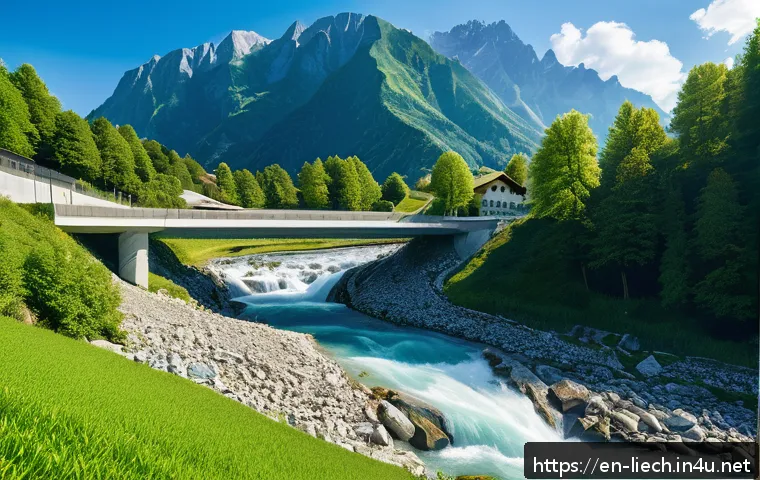
Flood-control and slope-protection measures can influence local risk, but they do not make every location equally protected or eliminate disruption during severe conditions. The presence, condition, and relevance of measures for a specific building or route require local confirmation.
For a property purchase or commercial accommodation decision, it is reasonable to seek location-specific professional advice rather than relying only on regional descriptions of alpine hazards.
Floods, Avalanches, Landslides, and Rockfalls Compared
Exposure areas, warning signs, and typical travel disruption
Flooding may affect valley access and low-lying areas during severe rain or high river flows. Avalanche exposure is more relevant in snowy mountain conditions. Landslides, debris flows, and rockfalls can matter around slopes, narrow valleys, roads, and trails, especially when intense rain, freeze-thaw conditions, or local geology contribute to instability.
For travelers, disruption may involve changed road access, unsuitable hiking routes, or altered plans for mountain stays. For residents and operators, the concern may be access, drainage, building surroundings, and continuity planning.
Comparison table: hazard type, likely setting, season, and practical response
| Hazard Type | Likely Setting | Conditions That Can Matter | Practical Response |
|---|---|---|---|
| Flood | Rhine Valley floor and low-lying areas | Severe rainfall or high river flows | Confirm local access, drainage considerations, and flexible plans. |
| Avalanche | Higher elevations and mountain routes | Seasonal snow conditions | Check route and local safety updates before travel. |
| Landslide / Debris Flow | Slopes, narrow valleys, and mountain roads | Intense rain, freeze-thaw cycles, slope geology | Review access routes and avoid assuming normal passage. |
| Rockfall | Steep slopes, roads, and hiking areas | Slope conditions and local terrain factors | Use current route information and follow local restrictions. |
When insurance, flexible bookings, or professional property checks add value
Travel insurance may be worth comparing if your plans depend on mountain access, weather-sensitive transport, or non-refundable reservations. Read policy wording carefully for weather disruption, cancellation, evacuation support, exclusions, and deductibles. Coverage is not automatic, and exact terms vary by policy.
For a property or small accommodation business, property insurance comparisons may be useful where flood or mountain-hazard exposure is a concern. Ask insurers which events are covered, which exclusions apply, and whether a particular location needs further review. A professional property check can also be sensible when a building is near a slope or in a low-lying valley setting.
Practical Safety Steps for Visitors, Residents, and Property Buyers
Check road, trail, weather, and local safety updates before leaving

Use weather information as a starting point, then check current information relevant to your exact route. This is especially important for hiking routes, mountain roads, and higher-elevation stays. Do not treat a country-wide forecast as a route clearance decision.
Review accommodation access, parking location, and cancellation flexibility
Before booking, ask how the accommodation is reached, whether access depends on mountain roads, and where vehicles are normally parked. If your itinerary is weather-sensitive, review the booking’s cancellation and change terms before payment. Flexible arrangements can be more valuable than a lower headline rate when access conditions are uncertain.
Property due diligence: drainage, slope proximity, access routes, and insurance questions
Property buyers should examine the setting as carefully as the interior. Useful questions include whether the property is in a valley-floor or slope-side location, how water drains around the site, whether access depends on a single route, and what the insurance policy says about natural hazards.
Do not assume a standard home insurance policy covers every flood, avalanche, landslide, rockfall, or debris-flow scenario. Request the full terms and obtain local advice where the property’s location raises questions.
Common Planning Mistakes to Avoid
Treating a country-wide forecast as a local mountain safety assessment
Weather can be useful context, but it does not describe every trail, road, or elevation. Mountain decisions should include current local route and safety information.
Booking mountain stays without checking seasonal access conditions
A mountain accommodation may suit travelers seeking alpine scenery, but access can be an important practical issue. Check how you will arrive, whether plans depend on a particular route, and what happens if conditions change.
Assuming standard travel or home insurance automatically covers every natural hazard
Insurance wording matters. A policy may contain limits, exclusions, deductibles, or conditions that affect weather disruption and natural-hazard claims. Compare the terms that match your actual trip, property, or business exposure rather than relying on the policy name alone.
Selection Criteria and Comparison Summary
Before choosing accommodation, insurance, or a property, compare these points: valley versus mountain location; access by road or trail; seasonal snow and rain sensitivity; cancellation flexibility; emergency planning needs; and the exact insurance wording for disruption or natural hazards. Valley accommodation may better suit plans focused on straightforward regional access, while mountain stays may require closer attention to seasonal conditions and route updates. For property decisions, drainage, slope proximity, and access resilience deserve direct review. For travel insurance or property insurance, check the official policy page and full terms before selecting coverage.
In Closing
Liechtenstein’s alpine setting creates real but highly localized natural-hazard considerations. The Rhine Valley, mountain slopes, narrow valleys, roads, and hiking routes do not share the same exposure. Historic events such as the 1927 Rhine flood provide context, not a forecast. A careful plan combines current local information, suitable accommodation choices, and a clear understanding of insurance terms.
Useful Information to Keep in Mind
1. The Rhine forms much of Liechtenstein’s western border.
2. Severe rain and high river flows matter most for flood-related valley concerns.
3. Snow, freeze-thaw cycles, intense rain, and slope geology can influence mountain hazards.
4. A trail, road, or property needs location-specific checking.
5. Flexible bookings and policy comparisons can support better travel planning.
Important Notes
This article provides general planning information, not a current safety alert, property assessment, insurance recommendation, or forecast for a specific location. Hazard conditions, route access, building protections, and insurance coverage must be confirmed for the relevant date and address. Use official and local updates for immediate travel or safety decisions.
Frequently Asked Questions
Q1. Is Liechtenstein safe to visit during heavy rain or winter snow?
A1. Safety depends on the specific location, route, elevation, and current conditions. Heavy rain can raise flood-related concerns in low-lying valley areas, while winter snow can affect higher mountain routes. Check current local weather, road, trail, and safety updates before traveling.
Q2. Does travel insurance usually cover trip disruption caused by floods or avalanches?
A2. Coverage depends on the individual policy. Review the terms for weather disruption, cancellation, evacuation support, exclusions, and deductibles. Do not assume that a standard travel insurance policy covers every natural-hazard-related situation.
Q3. What should property buyers check before purchasing a home near a mountain slope or the Rhine Valley?
A3. Check the property’s setting, including drainage, proximity to slopes, available access routes, and whether it is in a low-lying valley location. Ask detailed insurance questions and consider location-specific professional advice before committing to a purchase.