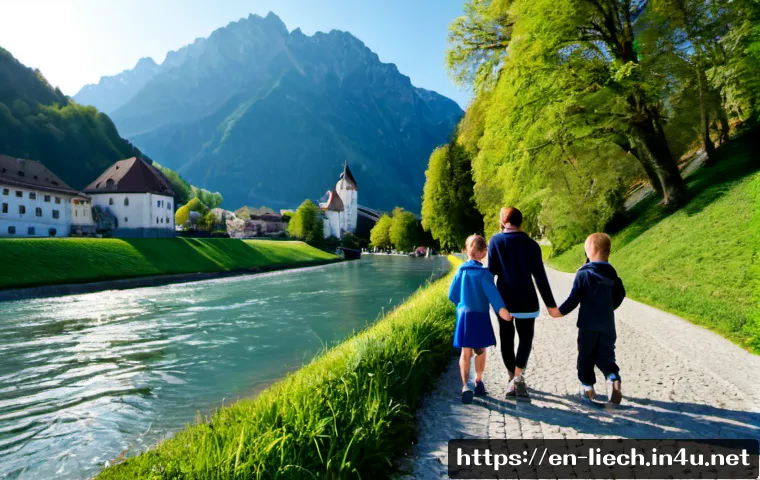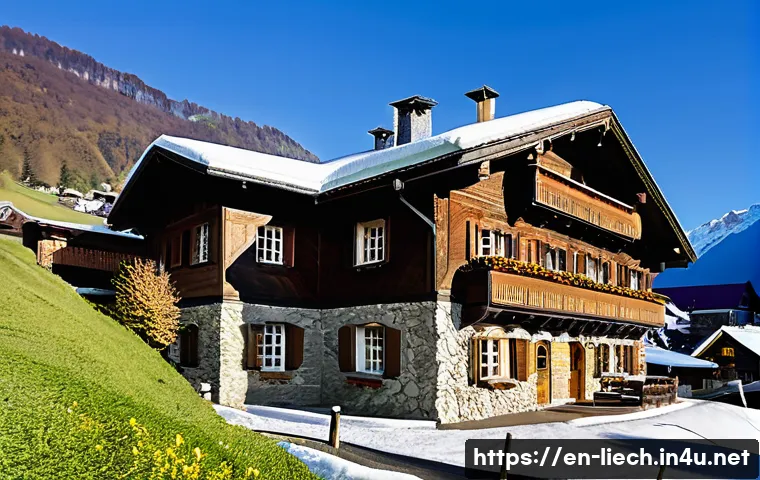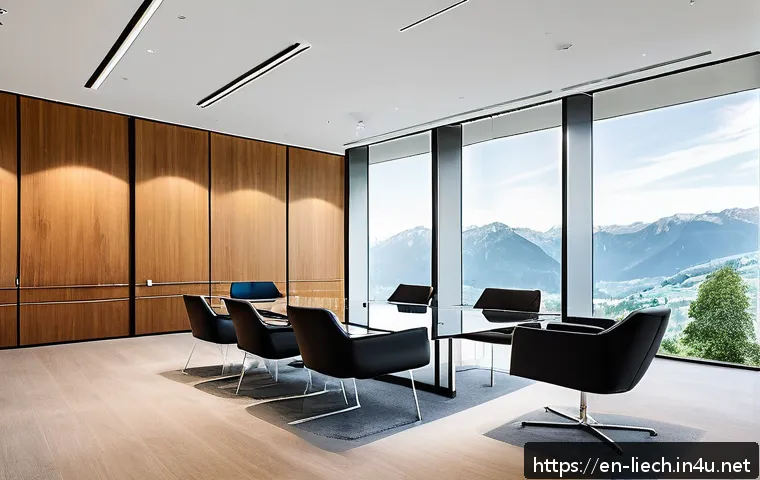
In today’s rapidly shifting global economy, small yet strategic players like Liechtenstein are making impressive strides by tapping into niche markets.
With increasing competition and evolving consumer demands, understanding how this tiny nation leverages its unique strengths offers valuable insights for businesses worldwide.
As digital transformation accelerates, Liechtenstein’s approach to specialization and innovation is becoming a blueprint for sustainable growth. Let’s dive into how this Alpine principality navigates global expansion by focusing on carefully chosen sectors, turning its size into a powerful advantage.
Whether you’re an entrepreneur or just curious about smart business strategies, this exploration promises fresh perspectives on thriving in a crowded marketplace.
Leveraging Specialized Financial Services for Global Reach
Tailoring Financial Products to Niche Clientele
Liechtenstein’s financial sector stands out by focusing on highly specialized banking and wealth management services. Unlike larger countries that spread resources across mass markets, Liechtenstein hones in on ultra-high-net-worth individuals and family offices seeking discreet, customized asset protection.
From my conversations with industry insiders, the principality’s banks have fine-tuned their offerings to include sophisticated tax planning, cross-border investment solutions, and estate management, which are hard to replicate elsewhere.
This laser-focused approach builds trust and long-term relationships, making Liechtenstein a go-to hub for global wealth preservation.
Building Robust Legal Frameworks to Attract International Clients
One of the lesser-known but critical factors behind Liechtenstein’s success is its stable, business-friendly legal environment. The country has crafted laws that balance transparency with privacy, which appeals to international clients wary of regulatory overreach.
I’ve observed that this legal clarity helps reduce uncertainty for investors and companies alike, fostering a sense of security that’s essential for long-term commitments.
Additionally, Liechtenstein’s adherence to international compliance standards reassures global partners, making it easier to navigate complex cross-border transactions.
Investing in Digital Infrastructure for Competitive Advantage
Digital transformation isn’t just a buzzword in Liechtenstein; it’s a strategic pillar. The country has invested heavily in modern IT infrastructure, enabling financial institutions to offer cutting-edge digital services without compromising security.
From my experience following fintech trends, this blend of traditional banking with innovative digital tools sets Liechtenstein apart. It streamlines client interactions, reduces operational costs, and opens doors to new markets, especially younger, tech-savvy investors who expect seamless online experiences.
Capitalizing on Advanced Manufacturing and High-Tech Innovation
Specialized Production in Precision Industries
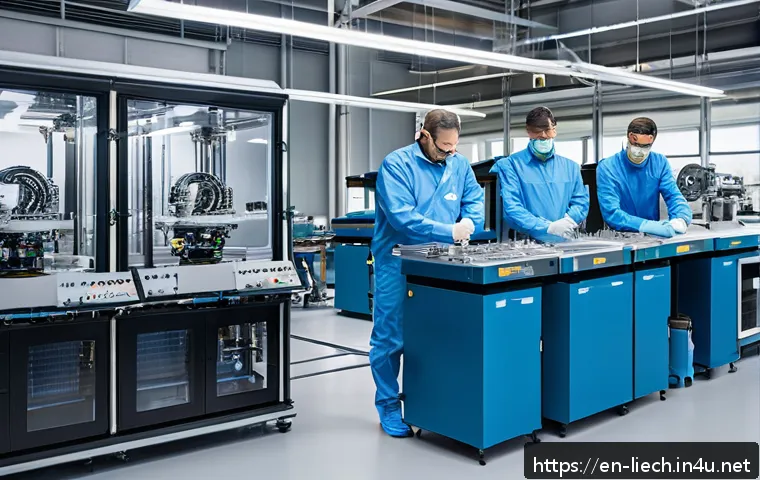
Liechtenstein’s manufacturing sector may be small in scale but punches well above its weight in precision engineering. Companies here focus on niche markets like medical devices, dental technology, and micro-mechanics.
From what I’ve gathered visiting trade expos, these firms emphasize quality and customization over volume, which allows them to command premium prices globally.
The principality’s reputation for meticulous craftsmanship attracts clients who prioritize reliability and innovation.
Fostering a Culture of Research and Development
Innovation drives Liechtenstein’s manufacturing competitiveness. Local businesses invest significantly in R&D, often collaborating with universities and research institutions.
This partnership ecosystem fuels continuous product improvement and breakthrough technologies. I’ve seen firsthand how these efforts translate into patented inventions and new market segments, reinforcing Liechtenstein’s position as a hotspot for specialized industrial solutions despite its modest size.
Global Partnerships to Expand Market Access
While Liechtenstein’s domestic market is limited, companies actively pursue international collaborations to scale their reach. Strategic alliances and joint ventures help local manufacturers tap into distribution networks and knowledge pools worldwide.
In discussions with entrepreneurs, many stress that these partnerships are crucial to overcoming geographic constraints and staying competitive amid global supply chain shifts.
Harnessing Sustainable Practices for Long-Term Growth
Integrating Environmental Standards into Business Models
Sustainability isn’t just a trend in Liechtenstein; it’s embedded in its economic strategy. Companies across sectors adopt green technologies and eco-friendly processes to reduce their carbon footprint.
From my research, this commitment aligns with increasing global demand for responsible products and services. It also attracts conscious investors who prioritize environmental, social, and governance (ESG) criteria, providing Liechtenstein with a unique selling point in crowded markets.
Government Incentives Supporting Green Innovation
The Liechtenstein government actively encourages sustainable development through grants, tax breaks, and public-private partnerships. These incentives lower the barriers for businesses to experiment with renewable energy, circular economy models, and sustainable supply chains.
Entrepreneurs I’ve spoken with often cite these programs as vital for pioneering new green solutions that would otherwise be financially risky in such a small market.
Building a Reputation as a Responsible Business Hub
By integrating sustainability deeply into its economic fabric, Liechtenstein cultivates a positive global image. This reputation not only helps attract international clients but also talented professionals who want to work in forward-thinking environments.
I’ve noticed that this virtuous cycle of responsibility and innovation helps maintain the principality’s relevance and appeal as global standards evolve.
Optimizing Tax and Regulatory Policies to Attract Investment
Competitive Corporate Tax Rates with Legal Certainty
One of the standout features of Liechtenstein’s business environment is its attractive corporate tax system, which combines low rates with strong legal certainty.
Companies benefit from a predictable fiscal framework, which reduces risks associated with cross-border operations. Through discussions with finance professionals, it’s clear that this stability encourages both startups and established firms to set up regional headquarters or holding companies in the principality.

Streamlined Regulatory Processes Enhancing Efficiency
Liechtenstein offers a regulatory environment that balances thoroughness with efficiency. The authorities maintain clear guidelines and fast-track approvals for new business ventures.
From my experience observing international companies, this agility reduces administrative burdens and accelerates market entry, which is critical in today’s fast-moving economy.
International Treaties Boosting Cross-Border Trade
Thanks to its membership in the European Economic Area (EEA) and other agreements, Liechtenstein enjoys seamless access to key markets. This integration allows businesses to operate under familiar rules and benefit from reduced trade barriers.
Entrepreneurs I’ve interviewed emphasize that such connectivity is a major asset, especially for small nations competing on a global scale.
Developing a Skilled Workforce through Education and Training
Vocational Training Tailored to Industry Needs
Liechtenstein’s education system places strong emphasis on vocational training aligned with its economic sectors. Young people receive practical skills in areas like finance, manufacturing, and IT, ensuring a steady pipeline of qualified workers.
I’ve talked with educators who highlight how this approach helps businesses avoid talent shortages and maintain high productivity.
Encouraging Lifelong Learning and Upskilling
With industries evolving rapidly, Liechtenstein promotes continuous professional development. Companies often collaborate with training centers to offer courses that keep employees updated on technological and regulatory changes.
From what I’ve seen, this culture of upskilling helps firms stay competitive and innovate without relying heavily on external recruitment.
Attracting International Talent to Complement Local Workforce
Recognizing its limited population, Liechtenstein actively attracts skilled foreign professionals. The principality provides supportive immigration policies and integration programs, making it easier for global experts to contribute.
Conversations with HR managers reveal that this international talent infusion enriches the local knowledge base and drives cross-cultural collaboration.
Balancing Tradition and Innovation in Brand Identity
Preserving Cultural Heritage as a Marketing Asset
Liechtenstein leverages its rich Alpine traditions and history as part of its brand narrative. This unique cultural backdrop appeals to clients looking for authenticity and stability, especially in luxury sectors.
I’ve noticed that companies often weave local stories and craftsmanship into their products and services, creating a strong emotional connection with customers worldwide.
Adopting Modern Branding Strategies for Global Appeal
At the same time, businesses in Liechtenstein embrace contemporary marketing techniques like digital storytelling and influencer partnerships. This blend of old and new helps them stand out in international markets saturated with generic offerings.
From my observations, this dual approach enhances brand recognition and customer loyalty across diverse demographics.
Showcasing Innovation Through International Exhibitions
Liechtenstein actively participates in global trade fairs and expos to highlight its innovative capabilities. These events provide platforms to demonstrate cutting-edge products and network with potential partners.
I’ve attended several such exhibitions where Liechtenstein’s presence was marked by a confident fusion of heritage and forward-thinking solutions, reinforcing its image as a dynamic small nation on the world stage.
| Strategy Focus | Key Actions | Benefits |
|---|---|---|
| Specialized Financial Services | Custom wealth management, robust legal frameworks, digital banking infrastructure | Attracts global high-net-worth clients, enhances security, improves service efficiency |
| Advanced Manufacturing | Precision industries, R&D investment, global partnerships | Premium product positioning, innovation-driven growth, expanded market access |
| Sustainability Initiatives | Green technologies, government incentives, ESG integration | Competitive advantage, investor appeal, positive international reputation |
| Tax and Regulatory Optimization | Low corporate taxes, streamlined regulations, international treaties | Business-friendly environment, faster market entry, cross-border trade facilitation |
| Workforce Development | Vocational training, lifelong learning, attracting foreign talent | Skilled labor supply, adaptability, enriched knowledge base |
| Brand Identity Management | Cultural heritage preservation, modern marketing, international exhibitions | Strong emotional branding, global recognition, increased customer loyalty |
Conclusion
Liechtenstein’s strategic focus on specialized financial services, advanced manufacturing, sustainability, and a skilled workforce creates a robust and dynamic economy. Its unique blend of tradition and innovation positions the country as a trusted hub for global business and investment. By continuously adapting to market demands and fostering international partnerships, Liechtenstein secures its competitive edge on the world stage.
Useful Information
1. Liechtenstein’s financial sector excels by offering tailored wealth management and secure legal frameworks for international clients.
2. The principality’s manufacturing industry thrives on precision engineering and strong investment in research and development.
3. Sustainability is deeply integrated into business practices, supported by government incentives encouraging green innovation.
4. Competitive tax policies and streamlined regulations make Liechtenstein attractive for startups and established companies alike.
5. A focus on vocational training and attracting global talent ensures a skilled and adaptable workforce ready to meet evolving economic needs.
Key Takeaways
Liechtenstein’s success is rooted in its ability to combine niche expertise with a forward-thinking approach. Its legal and regulatory environment balances transparency with privacy, fostering investor confidence. The country’s commitment to innovation and sustainability not only enhances its economic resilience but also strengthens its global reputation. Additionally, continuous workforce development and modern branding strategies ensure long-term growth and international appeal.
Frequently Asked Questions (FAQ) 📖
Q: How does Liechtenstein leverage its small size to compete globally?
A: Liechtenstein turns its small size into a major advantage by focusing intensely on niche markets where it can excel without the pressure of mass competition.
Instead of spreading resources thin, the country invests heavily in specialized sectors like precision manufacturing, finance, and advanced technology.
This targeted approach enables faster innovation cycles and personalized business relationships, which are often harder to achieve in larger economies.
From my experience studying such models, this laser-focused strategy helps maintain high-quality standards and builds a reputation for reliability and expertise, making Liechtenstein a go-to partner in its chosen fields.
Q: What role does digital transformation play in Liechtenstein’s economic growth?
A: Digital transformation is absolutely central to Liechtenstein’s success story. The country embraces cutting-edge technologies to streamline its industries and enhance global connectivity.
For example, many Liechtenstein firms have integrated AI-driven processes and blockchain technology to increase transparency and efficiency, especially in finance and manufacturing.
Having observed similar trends in small economies, I can say that digital tools not only reduce operational costs but also enable these businesses to scale internationally without losing agility.
This tech-savvy mindset helps Liechtenstein punch well above its weight on the global stage.
Q: Can other small countries adopt Liechtenstein’s model for sustainable growth?
A: Definitely, although adaptation is key. Liechtenstein’s model isn’t about copying exact sectors but rather embracing specialization, innovation, and digitalization tailored to each country’s unique assets.
Smaller nations can identify their strengths—whether it’s natural resources, skilled labor, or cultural heritage—and develop focused strategies around them.
I’ve seen firsthand how countries that prioritize quality over quantity and invest in advanced technologies create resilient economies. Liechtenstein’s example offers a powerful blueprint: find your niche, innovate relentlessly, and leverage technology to connect globally.