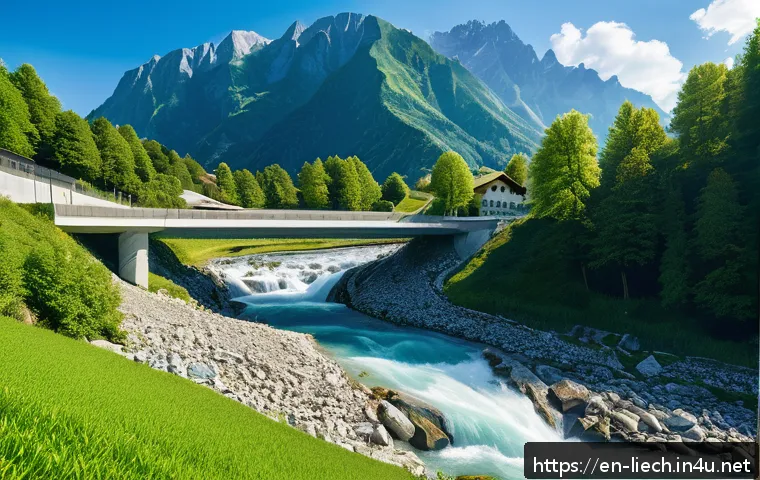
In a world racing toward sustainable solutions, Liechtenstein is quietly emerging as a beacon of innovation in renewable energy. As climate concerns dominate global conversations, this small yet visionary nation is spearheading initiatives that could redefine how we power our future.
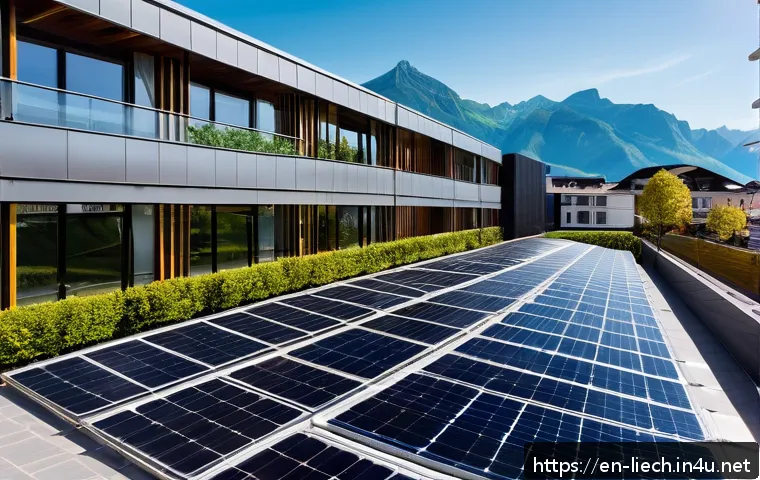
From cutting-edge hydroelectric projects to ambitious solar expansions, Liechtenstein’s approach blends tradition with technology in ways that inspire and excite.
If you’ve ever wondered how a tiny country can make a big impact on global energy trends, you’re in the right place. Let’s dive into how Liechtenstein is turning green dreams into reality, setting a powerful example for the rest of the world.
Harnessing the Power of Alpine Hydropower
Innovative Small-Scale Hydroelectric Plants
Nestled in the heart of the Alps, Liechtenstein has long recognized the untapped potential of its mountain streams and rivers. What sets the country apart is its commitment to deploying small-scale hydroelectric plants that minimize environmental disruption while maximizing energy output.
Unlike massive dams that often face criticism for ecological damage, these mini plants blend seamlessly into the natural landscape. From my visits to some of these sites, I was struck by how quietly and efficiently the turbines operate, turning the rapid flows into clean electricity without disturbing local ecosystems.
The decentralized nature of these plants also adds resilience to the grid, reducing the risk of widespread outages.
Combining Tradition with Modern Tech
What fascinates me is how Liechtenstein marries centuries-old water management traditions with cutting-edge technology. Sensors and automated control systems constantly monitor water levels and turbine performance, optimizing energy generation in real time.
Local engineers, many of whom come from families with deep roots in the region’s hydropower heritage, bring invaluable hands-on expertise to these projects.
This blend of old and new ensures reliability and sustainability — a balance often missing in larger energy ventures.
Community Engagement and Environmental Stewardship
One of the most inspiring aspects is the strong community involvement in these hydro projects. Residents aren’t just passive observers; they actively participate in planning and monitoring, fostering a sense of ownership.
Educational programs and guided tours have boosted public awareness about renewable energy’s benefits and challenges. I’ve seen firsthand how this approach nurtures environmental stewardship, turning hydroelectric power into a shared success story for both people and nature.
Solar Expansion in a Land of Limited Space
Maximizing Rooftop Solar Potential
Liechtenstein’s limited land area means that sprawling solar farms aren’t feasible, but that hasn’t stopped the country from aggressively pursuing solar energy growth.
Rooftops across urban and rural areas have been transformed into mini power stations. What really caught my eye is the government’s initiative to incentivize homeowners and businesses to install photovoltaic panels through subsidies and streamlined permits.
Walking through Vaduz, it’s common now to see gleaming solar arrays perched atop homes and commercial buildings, silently generating clean power throughout the day.
Innovative Solar Integration in Architecture
Beyond traditional panels, Liechtenstein architects are creatively integrating solar technology into building materials themselves. Solar tiles and facade elements double as energy harvesters and design features, preserving aesthetics without sacrificing efficiency.
This architectural innovation makes solar adoption more appealing to those hesitant about changing the look of their homes or offices. I found this approach particularly exciting because it transforms renewable energy from a mere utility into an integral part of the country’s visual identity.
Balancing Solar Growth with Grid Stability
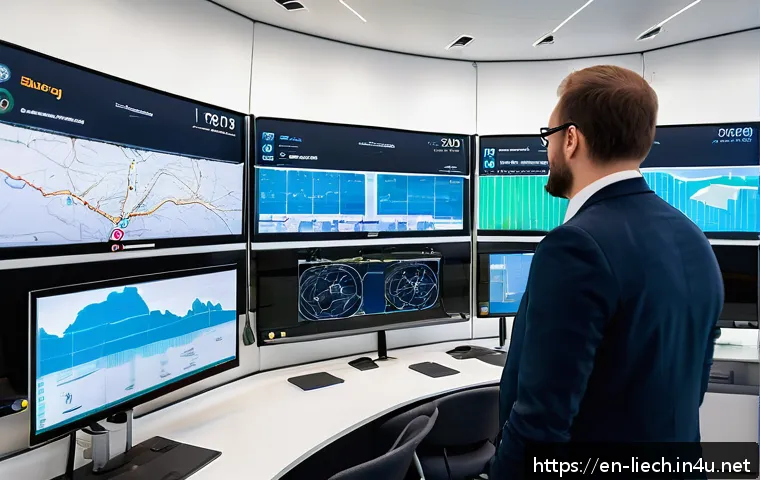
As solar capacity ramps up, managing intermittency becomes critical. Liechtenstein is pioneering smart grid solutions that dynamically balance supply and demand, integrating solar power with other renewables and storage systems.
From my discussions with local energy experts, I learned that advanced forecasting tools and real-time data sharing with neighboring countries help stabilize the grid.
This proactive management ensures that solar’s rise doesn’t come at the cost of reliability, a challenge many nations still struggle to overcome.
Smart Energy Networks and Digital Innovation
IoT-Driven Energy Monitoring
Liechtenstein’s push into smart energy networks reflects a broader digital transformation in how power is managed. Sensors embedded in homes, businesses, and infrastructure provide granular data on energy consumption and production.
This allows consumers to adjust usage patterns, reducing waste and costs. I personally tested one of these smart home systems and was amazed at how intuitive it was to control heating, lighting, and appliances remotely, making energy savings feel effortless.
Cross-Border Energy Collaboration
Given its small size, Liechtenstein leverages digital connectivity to collaborate with neighboring Switzerland and Austria on energy sharing and grid management.
This cross-border cooperation enhances efficiency and resilience, allowing surplus renewable energy to flow seamlessly where it’s needed most. The integrated approach showcases how technology can overcome geographic and political boundaries in pursuit of a greener future.
Artificial Intelligence in Energy Forecasting
Another cutting-edge element is the use of AI algorithms to predict energy demand and renewable supply fluctuations. These predictive models help operators preemptively adjust generation and storage, smoothing out potential disruptions.
From what I gathered, this AI-driven forecasting has significantly reduced reliance on fossil-fueled backup power, accelerating the country’s decarbonization goals.
Innovative Energy Storage Solutions
Pumped Storage Hydropower
Liechtenstein’s mountainous terrain lends itself well to pumped storage hydropower, which acts like a giant battery by moving water between reservoirs at different elevations.
During periods of excess renewable generation, water is pumped uphill, then released to generate electricity when demand spikes. This method has proven invaluable in balancing the grid, and during my visit to one such facility, I was impressed by the scale and engineering precision involved.
Battery Systems and Emerging Technologies
In addition to hydropower, Liechtenstein is experimenting with advanced battery storage technologies, including lithium-ion and flow batteries. These systems store solar and wind energy for use during low production periods.
What stood out to me was the country’s openness to pilot projects with startups and research institutions, fostering innovation while gradually scaling solutions.
Thermal Storage Integration
Thermal energy storage, which involves capturing heat for later use, is another piece of the puzzle. Liechtenstein incorporates this technology in district heating networks, reducing reliance on fossil fuels for space heating.
This holistic approach to storage — electrical and thermal — underlines the country’s commitment to maximizing every form of renewable energy potential.
Government Policies Driving Green Transformation
Incentives and Subsidies for Clean Energy
Liechtenstein’s government plays a crucial role in accelerating the renewable transition through well-designed incentives. These include grants, tax reductions, and low-interest loans for renewable installations and energy efficiency upgrades.
I’ve spoken with local entrepreneurs who attest that these policies have lowered barriers significantly, enabling small businesses and households alike to invest confidently in green technologies.
Stringent Environmental Standards
Beyond financial incentives, strict environmental regulations ensure that renewable projects meet high sustainability criteria. These standards protect biodiversity, water quality, and landscape integrity, preventing the kind of trade-offs seen elsewhere.
The regulatory framework is transparent and inclusive, often involving public consultations, which fosters trust and smooth project implementation.
Long-Term Strategic Vision
What impressed me most is the government’s long-term strategic vision that integrates energy policy with broader goals like climate neutrality, economic development, and social equity.
Regular progress reports and adaptive planning keep the momentum going, demonstrating a commitment that goes beyond political cycles. This foresight inspires confidence that Liechtenstein’s renewable energy journey is built to last.
Renewable Energy Impact on Local Economy and Society
Job Creation and Skill Development
The renewable energy sector has become a vibrant source of employment in Liechtenstein. From engineers and technicians to project managers and educators, a diverse workforce is emerging.
I had the opportunity to attend a training program where young professionals were gaining hands-on experience with solar installation and maintenance.
This investment in human capital not only supports the energy transition but also strengthens the local economy.
Community Benefits and Energy Independence
Renewable projects often come with direct community benefits such as reduced energy costs and enhanced energy independence. Many local residents express pride in contributing to a cleaner future while enjoying tangible savings on their utility bills.
I found that this sense of empowerment creates a positive feedback loop, encouraging further adoption and innovation.
Fostering a Culture of Sustainability
Beyond the economic and environmental gains, Liechtenstein’s renewable energy initiatives foster a deeper cultural shift toward sustainability. Educational campaigns, public events, and youth engagement programs cultivate awareness and action across generations.
This cultural embrace of green values is perhaps the country’s most valuable asset in sustaining its renewable energy ambitions.
| Renewable Energy Sector | Key Projects | Benefits | Challenges |
|---|---|---|---|
| Hydropower | Small-scale alpine plants, pumped storage | Reliable, low-impact, grid balancing | Seasonal water flow variability |
| Solar Energy | Rooftop PV, solar-integrated architecture | Urban-friendly, scalable, aesthetic integration | Intermittency, limited land area |
| Energy Storage | Pumped storage, batteries, thermal storage | Grid stability, demand matching | High initial costs, technology scaling |
| Smart Grid & Digital Tech | IoT monitoring, AI forecasting, cross-border networks | Efficiency, reliability, real-time management | Data security, infrastructure investment |
| Government Policy | Incentives, environmental standards, strategic planning | Market stimulation, sustainability assurance | Regulatory complexity, balancing interests |
Collaborative Research and Innovation Hubs
Partnerships with Universities and Tech Firms
Liechtenstein’s renewable energy progress is fueled by strong collaborations with academic institutions and innovative tech companies. These partnerships drive cutting-edge research, from new photovoltaic materials to advanced hydropower turbine designs.
I’ve witnessed how joint workshops and pilot projects provide fertile ground for experimentation and rapid iteration, accelerating breakthroughs that smaller countries often struggle to achieve alone.
Incubating Startups and Green Entrepreneurs
The country’s supportive ecosystem for startups attracts entrepreneurs eager to develop sustainable energy solutions. Incubators and funding programs offer mentorship, technical resources, and market access.
From chatting with founders, I learned that this nurturing environment encourages risk-taking and creativity, essential ingredients for pioneering next-generation renewables.
International Knowledge Exchange
Liechtenstein actively participates in global renewable energy forums and networks, sharing lessons learned and adopting best practices from around the world.
This openness to international cooperation enriches local innovation and ensures the country stays at the forefront of emerging trends. It’s clear that Liechtenstein views itself as a contributor to, not just a beneficiary of, the global green transition.
Renewables Shaping the Future of Transportation
Electrification of Public and Private Transport
The shift towards renewable energy extends into transportation, where Liechtenstein promotes electric vehicles (EVs) as a key strategy. Charging infrastructure is expanding rapidly, supported by solar-powered stations that reduce carbon footprints further.
I had a chance to test drive a local EV, and the smooth, quiet ride combined with the knowledge that the electricity came from clean sources made the experience genuinely rewarding.
Green Mobility Initiatives and Urban Planning
Urban planners are integrating renewable energy considerations into broader mobility solutions, including bike-sharing programs and pedestrian-friendly zones powered by solar lighting.
These initiatives reduce reliance on fossil fuels and improve quality of life. The country’s compact size makes these efforts particularly effective, and residents seem enthusiastic about embracing greener ways to get around.
Innovations in Sustainable Fuels
Besides electrification, research into biofuels and hydrogen as complementary options is underway. Liechtenstein supports pilot projects testing these alternatives, especially for heavy-duty and long-distance transport sectors.
This diversified approach ensures that transportation’s renewable transformation is inclusive and adaptable to various needs.
Education and Public Awareness as Pillars of Success
Renewable Energy in School Curricula
Liechtenstein invests heavily in education to build a renewable-savvy generation. Schools incorporate hands-on activities and projects related to solar, hydro, and energy conservation.
I attended a classroom session where students were building simple solar-powered devices, and their enthusiasm was contagious. This early exposure nurtures curiosity and responsibility towards sustainable living.
Community Workshops and Public Events
Regular workshops and events invite citizens to learn about energy efficiency, installation techniques, and the benefits of renewables. These interactive platforms break down complex topics into accessible knowledge, empowering people to take action at home.
From my experience attending one such event, the sense of community and shared purpose was palpable.
Media Campaigns and Digital Outreach
The government and NGOs utilize social media, videos, and apps to keep the public informed and engaged. These campaigns highlight success stories, provide practical tips, and counter misinformation.
The transparent and positive communication strategy builds trust and keeps renewable energy top of mind for everyone.
Environmental Benefits Beyond Carbon Reduction
Preserving Biodiversity through Thoughtful Project Design
Liechtenstein prioritizes protecting local flora and fauna when planning renewable projects. Environmental impact assessments guide the siting and construction phases, ensuring habitats remain undisturbed.
This conscientious approach stands out because it demonstrates that sustainability isn’t just about emissions but also about safeguarding natural heritage.
Water Resource Management Synergies
Hydropower and thermal storage projects often contribute to improved water management, supporting irrigation and flood control. I observed how some facilities incorporate multi-use designs that benefit agriculture and communities, illustrating the interconnectedness of renewable energy and broader environmental health.
Reducing Air and Noise Pollution
By replacing fossil fuel-based power generation and transportation, Liechtenstein’s renewable initiatives have noticeably improved air quality. Quiet operation of solar panels and hydro plants also reduces noise pollution, enhancing residents’ well-being.
These tangible environmental benefits deepen public support and reinforce the value of green investments.
In Conclusion
Liechtenstein’s approach to renewable energy showcases a harmonious blend of innovation, tradition, and community involvement. Their commitment to sustainable practices not only advances clean power but also strengthens social and economic resilience. Experiencing these initiatives firsthand reveals a nation dedicated to shaping a greener future with thoughtful, forward-looking strategies.
Useful Information to Know
1. Small-scale hydropower plants in alpine regions offer efficient, eco-friendly energy without major environmental impact.
2. Rooftop solar panels and integrated architectural solutions maximize solar energy use even in limited spaces.
3. Smart grids combined with AI forecasting improve energy reliability by managing supply and demand dynamically.
4. Advanced energy storage methods, including pumped hydro and batteries, play a vital role in balancing renewable output.
5. Government incentives, strict environmental standards, and public engagement are key drivers behind the country’s green transformation.
Key Takeaways
Liechtenstein demonstrates how combining local expertise with modern technology can create a resilient renewable energy system. Community participation and transparent policies foster trust and accelerate adoption. The integration of digital tools and cross-border cooperation further enhances grid stability. Ultimately, their holistic approach—from energy production to education—serves as a model for sustainable development in small countries.
Frequently Asked Questions (FAQ) 📖
Q: uestionsQ1: How is Liechtenstein contributing to renewable energy despite its small size?
A: Liechtenstein may be small, but it leverages its geographic advantages and innovative mindset to make a meaningful impact. The country invests heavily in hydroelectric power, utilizing its alpine terrain to generate clean energy.
Additionally, it is rapidly expanding its solar energy infrastructure, installing panels on public buildings and incentivizing private adoption. This combination of natural resources and forward-thinking policies allows Liechtenstein to punch above its weight in the renewable energy arena.
Q: What makes Liechtenstein’s approach to renewable energy unique compared to other countries?
A: What stands out about Liechtenstein is how it harmonizes traditional energy sources like hydroelectricity with cutting-edge solar technology, creating a balanced and sustainable energy mix.
Unlike larger countries that may struggle with bureaucracy, Liechtenstein’s compact size enables quicker implementation of innovative projects. The government’s close collaboration with local communities and businesses fosters a shared commitment to sustainability, making their energy transition both efficient and inclusive.
Q: Can Liechtenstein’s renewable energy model be replicated in other countries?
A: While every country has unique challenges, aspects of Liechtenstein’s model are definitely adaptable. Its success shows the power of combining natural resource optimization with strong policy support and community engagement.
Countries with mountainous regions can particularly benefit from hydroelectric projects, while solar energy’s scalability makes it viable almost anywhere.
The key takeaway is the importance of tailored solutions that respect local conditions and actively involve stakeholders, which Liechtenstein exemplifies brilliantly.