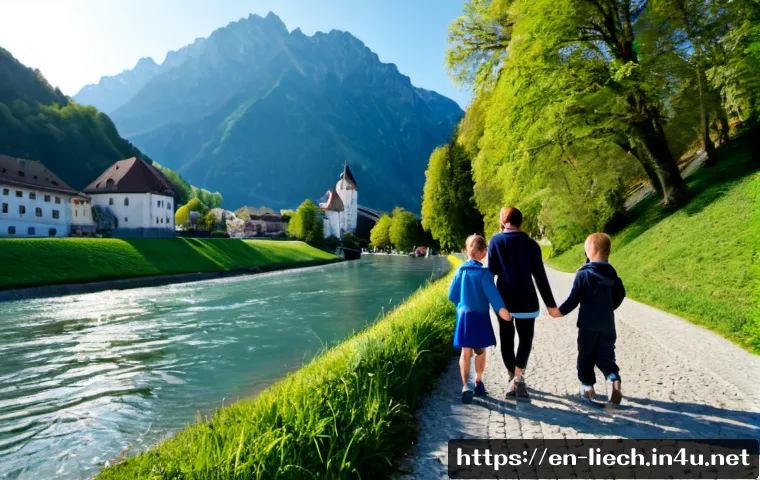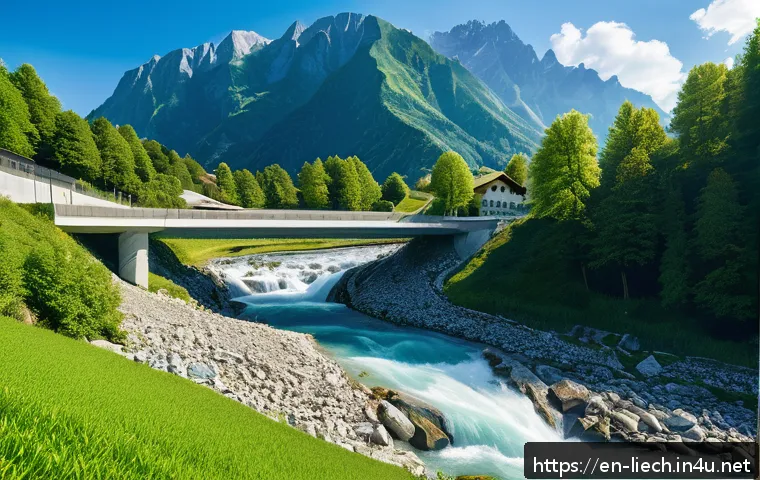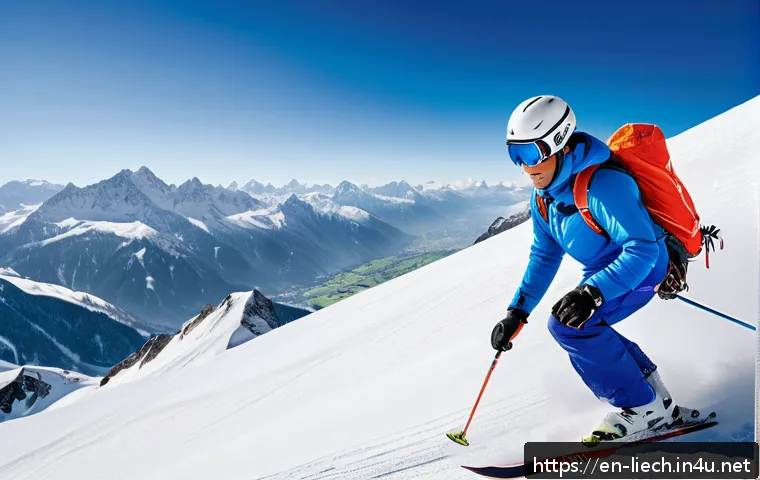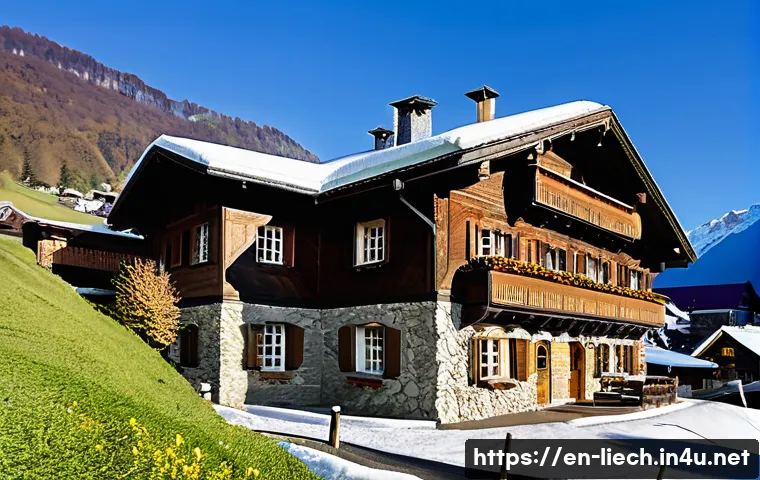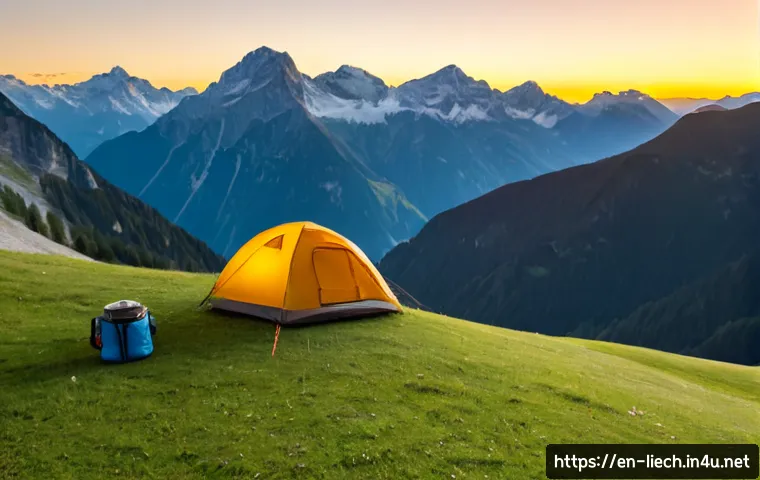
Camping in Liechtenstein can work well for a short Alpine trip, but you should secure designated accommodation and check local overnight rules before buying gear or driving in.
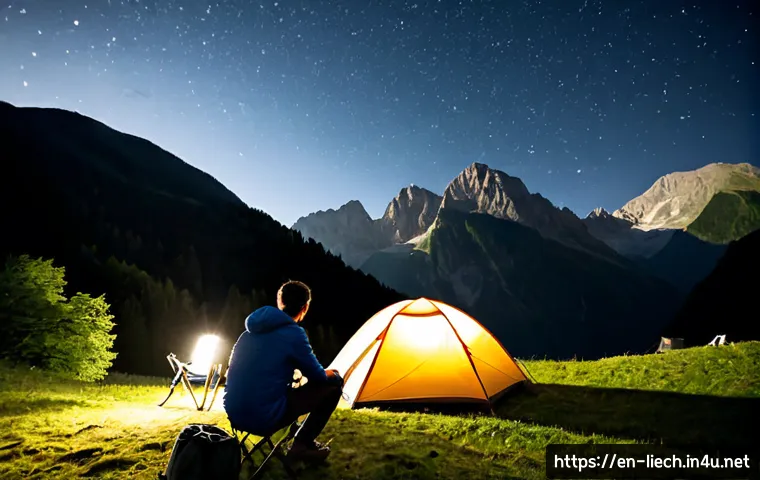
Do not assume that wild camping, sleeping in a vehicle, or overnight parking is allowed. Because the country is small and Alpine weather changes with elevation, your best option may be a campground, a guesthouse, or a nearby stay across the Swiss or Austrian border.
Compare total convenience, transport access, weather protection, and CHF-based costs rather than focusing only on the nightly rate. This is also a sensible time to compare outdoor gear, car rental, travel insurance, and mobile data plans for cross-border travel.
At a Glance
- Book designated accommodation first: campsite availability and local permission rules can determine whether camping is practical.
- Budget in CHF: include accommodation, transport, food, parking, gear, and a weather-related backup plan.
- Plan for Alpine conditions: valley weather and higher elevations can feel very different, even in summer.
| Overnight option | Best for | Transport and weather resilience | Cost categories to compare |
|---|---|---|---|
| Designated campsite | Tent campers, families, road-trippers | Check access, facilities, check-in rules, and rain protection | Pitch, parking, transport, food, camping equipment |
| Guesthouse or hotel | Short stays, hikers, first-time Alpine visitors | Usually simpler in poor weather; may suit public transport better | Room, local transport, meals, mobile data |
| Nearby Swiss or Austrian camping | Travelers needing more choice or easier vehicle logistics | Consider border crossings, driving plans, and onward transport | Pitch, fuel, parking, cross-border transport, insurance |
Is an Overnight Camping Trip in Liechtenstein Practical?
The short answer for tents, campervans, and hiking-based trips
Yes, an overnight trip can be practical when you treat accommodation as the first decision. Liechtenstein sits between Switzerland and Austria, with accessible lowland areas in the Rhine Valley and higher terrain rising into the Alps. A tent trip may work well if you have a confirmed designated pitch. A campervan trip depends on confirmed overnight parking or campsite rules. For hikers, a guesthouse or confirmed mountain accommodation can be the more reliable choice when weather or trail conditions are uncertain.
Why designated accommodation and local permission checks matter
Do not treat open land, trail areas, car parks, or roadside spaces as automatic camping locations. Rules for wild camping, vehicle sleeping, fires, and overnight parking can vary by municipality, private landowner, or specific area. Before arrival, confirm the exact rules for the place where you intend to sleep. This step matters more than finding the lightest tent or the cheapest rental vehicle.
Three quick planning priorities before committing to the trip
First, check whether your preferred overnight option is operating and accepts reservations on your travel dates. Second, decide whether you will arrive by car, campervan, bicycle, or public transport. Third, prepare a weather backup: a dry indoor stay, a revised route, or a shorter hiking plan. Liechtenstein uses the Swiss franc (CHF), so build your travel budget in CHF from the beginning.
Compare Your Overnight Options and Likely Costs
Designated campsite versus guesthouse versus nearby cross-border camping
A designated campsite can provide the classic outdoor experience, but it also requires more preparation: sleeping gear, rain protection, cooking arrangements, and transport to trailheads or towns. A guesthouse may cost more in one category while reducing gear needs and protecting your itinerary from rain or cold. Nearby camping in Switzerland or Austria can be useful when availability, access, or facilities inside Liechtenstein do not fit your plan.
Cost categories to estimate in CHF
Use a simple framework rather than relying on a single nightly figure. Estimate overnight accommodation, local or cross-border transport, fuel, parking, groceries or meals, outdoor gear, mobile data, and a contingency amount. If you need a tent, sleeping system, rainwear, or hiking footwear, compare rental and purchase options based on how often you expect to use them after this trip. Travelers using a rental car or campervan should also review driving coverage and border-crossing conditions before booking.
When a higher nightly rate can save time, transport costs, or weather risk
A more convenient stay can reduce the need for extra transfers, late arrivals, or an expensive change of plan after rain. This is especially relevant for a one- or two-night visit. If public transport connections are limited for your timing, a place closer to your route may be worth considering. The right comparison is not “camping versus hotel” alone; it is total trip effort versus total trip cost.
Plan the Booking, Transport, and Arrival Logistics
What to confirm before reserving a pitch or overnight stay
Confirm operating dates, reservation requirements, arrival procedures, accepted payment methods, vehicle access, and available facilities directly with the accommodation provider. If you are bringing a tent, ask what type of pitch is suitable. If you are arriving in a campervan, clarify whether your vehicle type is accepted and whether overnight parking is included. English may be available at visitor-facing businesses, but German is the official language, so keeping questions short and clear can help.
Car, campervan, bicycle, and public-transport considerations
Car travelers should plan parking before arrival rather than searching after dark. Campervan travelers should separate daytime parking from confirmed overnight accommodation. Bicycle travelers need to consider rain exposure, luggage weight, and the climb from the Rhine Valley toward higher terrain. Public-transport travelers should check whether connections line up with campsite check-in times and hiking plans. A car-free trip is possible only when accommodation and transport work together.
Parking, check-in times, payment methods, and backup accommodation
Keep a backup option in case you arrive late, weather disrupts a route, or a reservation cannot be used as planned. Carry access to CHF payment methods where possible, while verifying what the property accepts. For cross-border stays, make sure your navigation, mobile data plan, and driving arrangements support travel between Liechtenstein, Switzerland, and Austria.
Pack for Alpine Weather and Respect Local Rules
Layering, rain protection, sleeping gear, and footwear
Summer conditions can vary substantially between valley locations and mountain elevations. Pack layers instead of relying on one warm item. A waterproof outer layer, dry sleeping setup, dependable footwear, and protection for electronics are practical priorities. If you plan to hike, avoid treating forecast conditions in town as a complete picture of conditions higher up.
Fire safety, waste disposal, quiet hours, and responsible camping conduct

Use only permitted cooking or fire arrangements, and confirm current fire restrictions before lighting anything outdoors. Carry out waste where required, keep noise low, and follow facility-specific quiet hours. These basics protect local access for future visitors and make shared camping areas more comfortable for families and other travelers.
Why wild camping and overnight vehicle sleeping require location-specific confirmation
There is no safe countrywide assumption for wild camping or sleeping in a vehicle. Permission can depend on the municipality, trail area, parking location, private ownership, and current restrictions. Check the exact place, not just general travel advice. Weather warnings, trail closures, and mountain-hut availability should also be confirmed close to departure.
Choose the Right Setup for Your Travel Style
Best approach for hikers and short-stay visitors
Prioritize a confirmed stay with practical access to your planned route. If you have only a short visit, reduce uncertainty by choosing accommodation that gives you a dry backup and workable transport. A guesthouse may be a better fit than carrying full camping equipment for one overnight stop.
Best approach for families and first-time European campers
Choose a designated campsite or indoor accommodation with clear facilities and an easy arrival plan. Families benefit from predictable toilets, washing facilities, food options, and shelter during rain. First-time Alpine campers should focus on warmth, waterproofing, and confirmed local rules before adding optional gear.
Best approach for road-trippers using a car or campervan
Plan the overnight location before entering the country. Compare campsite access, vehicle rules, parking arrangements, and the practicality of crossing into nearby Swiss or Austrian areas. Review car rental terms, driving coverage, and travel insurance details if your route involves more than one country.
Selection Criteria and Comparison Summary
Choose your setup using these checks: legal overnight permission, confirmed availability, weather protection, transport access, total CHF cost, and a backup plan. A campground suits travelers who want the outdoor experience and have the right equipment. A guesthouse suits visitors who value simplicity and weather resilience. A nearby alternative may be sensible when it improves access or availability. Before booking, compare travel insurance, outdoor equipment, vehicle hire, and mobile data options by coverage, conditions, and cross-border usefulness; full terms are available on the relevant provider pages.
Conclusion
Camping in Liechtenstein is less about finding a remote spot and more about planning a legal, comfortable overnight stay. Confirm the location, transport, and weather plan before you commit to equipment or driving routes. Build your budget in CHF and include more than the pitch or room price. With a reserved place and flexible backup, a short Alpine stay can be much easier to manage.
Useful Information to Know
Currency: Liechtenstein uses the Swiss franc. Language: German is official, though English may be available in visitor-facing businesses. Travel area: Liechtenstein is in the Schengen Area, but each traveler should verify their own entry and travel-document requirements. Terrain: lowland travel and mountain travel can require very different clothing and timing.
Important Notes
Current campsite numbers, operating periods, prices, reservation rules, facilities, fire restrictions, weather warnings, trail closures, and mountain accommodation availability require direct confirmation. Rules for wild camping, vehicle sleeping, and overnight parking can be location-specific. Check official local guidance and your accommodation provider shortly before departure.
Frequently Asked Questions
Q1. Can you camp anywhere in Liechtenstein?
A1. No assumption should be made that camping is allowed everywhere. Wild camping, overnight vehicle sleeping, and parking rules can depend on the specific municipality, trail area, private site, or parking location. Confirm the exact place before staying overnight.
Q2. How much should I budget for a camping trip in Liechtenstein?
A2. Budget in CHF for accommodation, transport, food, parking, gear, mobile data, and a weather contingency. Actual campsite and accommodation prices, as well as operating conditions, should be checked directly for your travel dates.
Q3. Is Liechtenstein suitable for campervans, families, and first-time Alpine campers?
A3. It can be suitable when you use confirmed accommodation and plan transport carefully. Families and first-time campers may prefer clear facilities and indoor weather backup, while campervan travelers should verify vehicle access, overnight parking, and cross-border driving conditions in advance.