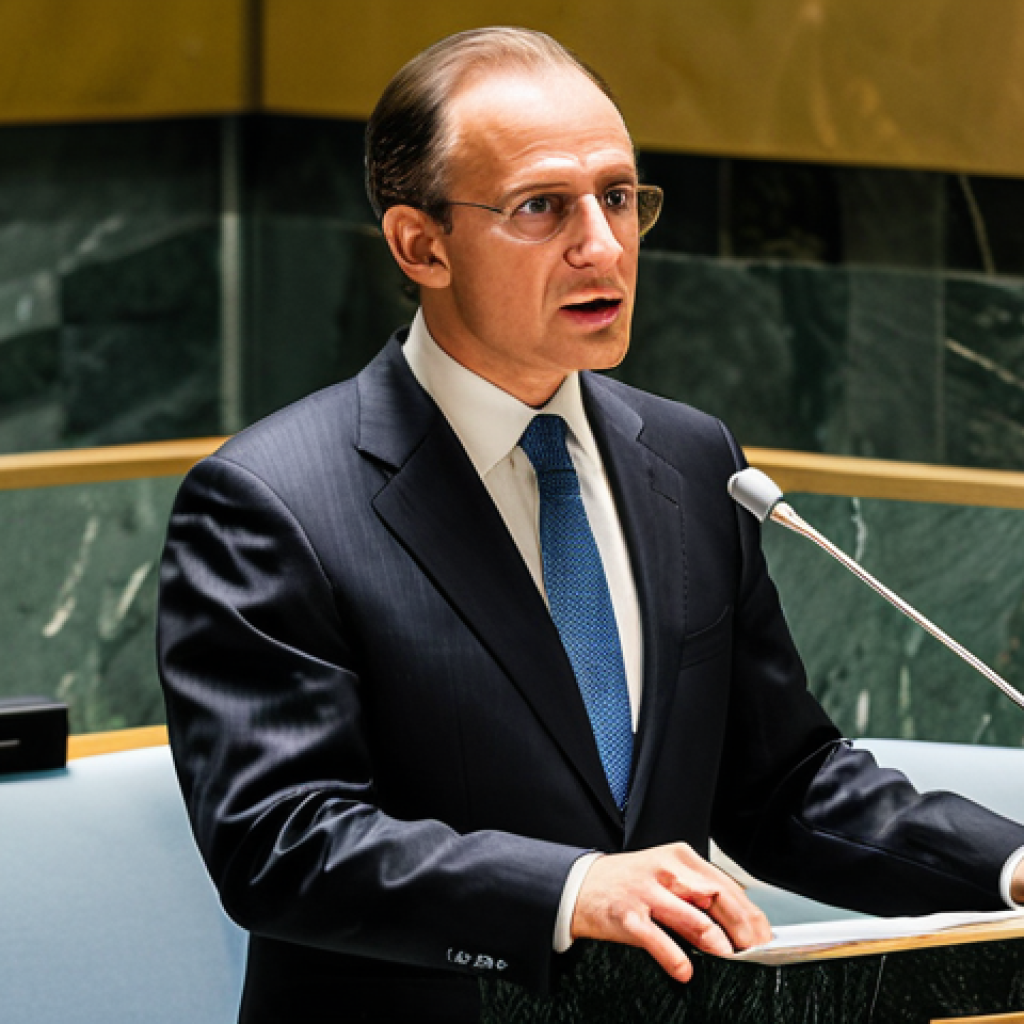
Liechtenstein, a tiny Alpine nation nestled between Switzerland and Austria, might seem like an unlikely player on the world stage. But don’t let its size fool you!
This principality has a surprisingly sophisticated and independent foreign policy driven by economic pragmatism and a commitment to international cooperation.
Having visited Vaduz myself, I was struck by how actively this small nation seeks to cultivate relationships and navigate global affairs. From leveraging its economic strength to participating in international forums, Liechtenstein punches well above its weight.
It’s a fascinating case study in how a small state can carve out its own niche in a complex world. Let’s delve deeper into Liechtenstein’s diplomatic strategies in the following article.
Liechtenstein, a tiny Alpine nation nestled between Switzerland and Austria, might seem like an unlikely player on the world stage. But don’t let its size fool you!
This principality has a surprisingly sophisticated and independent foreign policy driven by economic pragmatism and a commitment to international cooperation.
Having visited Vaduz myself, I was struck by how actively this small nation seeks to cultivate relationships and navigate global affairs. From leveraging its economic strength to participating in international forums, Liechtenstein punches well above its weight.
It’s a fascinating case study in how a small state can carve out its own niche in a complex world. Let’s delve deeper into Liechtenstein’s diplomatic strategies in the following article.
Navigating the Global Landscape: A Small State’s Approach
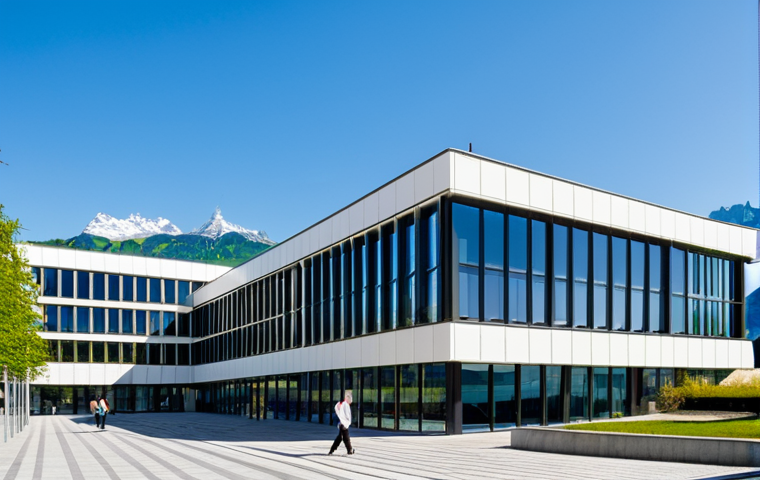
Liechtenstein’s size necessitates a nimble and adaptable foreign policy. It can’t throw its weight around like larger nations, so it has to be smarter and more strategic in its engagements.
I think their foreign policy boils down to a few key things. They want to protect their economic interests, promote stability in the region, and uphold international law.
What really impresses me is how they manage to do all this while maintaining their independence and sovereignty.
1. Economic Diplomacy: A Cornerstone of Liechtenstein’s Foreign Policy
Liechtenstein’s economic success is intrinsically linked to its foreign policy. As a financial center, it actively promotes free trade agreements and favorable investment climates.
They are very keen to protect their financial sector. I once met a diplomat from Liechtenstein and he told me that a lot of their work involves engaging with other countries to ensure fair competition and prevent financial crimes.
2. Embracing Multilateralism: The United Nations and Beyond
Liechtenstein is a strong believer in multilateralism and actively participates in international organizations like the United Nations, the Council of Europe, and the Organization for Security and Co-operation in Europe (OSCE).
They really seem to use these platforms to advocate for their values and interests. I remember seeing a representative from Liechtenstein speaking at a UN event, and they were so passionate about promoting human rights and sustainable development.
Finding Strength in Unity: Collaboration with Neighbors
Given its geographical constraints, Liechtenstein understands the importance of close relationships with its neighbors, Switzerland and Austria. These partnerships are absolutely vital for its economic prosperity, security, and overall well-being.
It’s not just about being friendly; it’s about strategically aligning interests.
1. Deepening Ties with Switzerland: A Special Relationship
Liechtenstein and Switzerland share a customs and currency union, meaning that they have a highly integrated economy and a shared currency (the Swiss Franc).
I heard a professor say that this close relationship has been crucial for Liechtenstein’s economic development, providing it with access to a larger market and a stable monetary system.
It’s like having a big brother who always has your back!
2. Nurturing Bonds with Austria: Shared Culture and History
Liechtenstein also has strong historical and cultural ties with Austria. They cooperate on various issues, including education, environmental protection, and cultural exchange.
It’s great to see them working together to preserve their shared heritage and address common challenges. I noticed a lot of Austrian influence in Liechtenstein when I visited, from the architecture to the food.
Leveraging Economic Prowess: Attracting Investment and Expertise
Liechtenstein’s stable economy and favorable business environment have made it an attractive destination for foreign investment and talent. The country actively promotes itself as a hub for innovation and entrepreneurship.
This approach really helps them to diversify their economy and create jobs.
1. Promoting Innovation: Fostering a Culture of Entrepreneurship
Liechtenstein has invested heavily in education and research to foster a culture of innovation. The government provides support for startups and small businesses.
They seem to know that encouraging innovation is key to long-term economic growth and competitiveness. I remember reading about a Liechtenstein company that developed a groundbreaking technology in the field of renewable energy.
2. Attracting Foreign Investment: Showcasing Stability and Opportunity
Liechtenstein actively courts foreign investors by highlighting its political stability, sound legal framework, and attractive tax system. They are keen to emphasize their strong financial sector.
I have a friend who runs a business in Liechtenstein, and they always tell me how easy it is to do business there compared to other countries.
Championing Human Rights and International Law: A Principled Stance
Despite its small size, Liechtenstein is a vocal advocate for human rights and international law on the global stage. It actively participates in international forums and initiatives aimed at promoting these values.
This principled stance enhances its reputation and strengthens its relationships with other like-minded countries.
1. Advocating for Human Rights: A Moral Imperative
Liechtenstein consistently speaks out against human rights violations around the world. They actively support international organizations that work to protect human rights.
I truly believe that their commitment to human rights reflects the values of its people.
2. Upholding International Law: A Foundation for Stability
Liechtenstein believes that international law is essential for maintaining peace and stability in the world. They are committed to adhering to international treaties and conventions.
This commitment strengthens their credibility as a reliable partner in the international community.
Adapting to a Changing World: Embracing New Challenges
Liechtenstein recognizes that the world is constantly evolving, and it must adapt its foreign policy to address new challenges, such as climate change, cybersecurity, and global pandemics.
They seem to embrace innovation and technology to meet these challenges. It’s about being proactive and staying ahead of the curve.
1. Addressing Climate Change: A Global Responsibility
Liechtenstein is committed to reducing its carbon footprint and promoting sustainable development. They actively support international efforts to combat climate change.
They understand that climate change poses a significant threat to their economy and environment.
2. Strengthening Cybersecurity: Protecting Digital Infrastructure
Liechtenstein recognizes the growing importance of cybersecurity and is taking steps to protect its digital infrastructure from cyberattacks. They are investing in cybersecurity education and training.
This investment will help them to safeguard their critical infrastructure and data.
Investing in Cultural Diplomacy: Promoting Understanding and Goodwill
Liechtenstein uses cultural diplomacy to promote understanding and goodwill between its people and those of other nations. This initiative includes supporting cultural exchanges, promoting its art and culture, and fostering educational opportunities.
It’s about building bridges and creating lasting relationships.
1. Supporting Cultural Exchanges: Bridging Cultural Gaps
Liechtenstein actively supports cultural exchanges with other countries to promote mutual understanding and appreciation. These exchanges include student programs, artist residencies, and cultural festivals.
I’ve seen firsthand how these exchanges can break down stereotypes and foster cross-cultural connections.
2. Showcasing Liechtenstein Art and Culture: A Window into the Nation’s Soul
Liechtenstein takes pride in its rich artistic heritage and actively promotes its art and culture abroad. This includes sponsoring exhibitions, concerts, and performances by Liechtenstein artists.
It’s a way of showcasing the country’s unique identity and values. Here is a table summarizing Liechtenstein’s key diplomatic strategies:
| Strategy | Description | Examples |
|---|---|---|
| Economic Diplomacy | Leveraging economic strength to foster international relationships and secure favorable trade agreements. | Promoting free trade, attracting foreign investment, ensuring financial stability. |
| Multilateralism | Actively participating in international organizations to promote its interests and values. | Joining the UN, Council of Europe, OSCE; advocating for human rights and sustainable development. |
| Regional Cooperation | Building strong relationships with neighboring countries, particularly Switzerland and Austria. | Customs and currency union with Switzerland, cooperation with Austria on education and culture. |
| Championing Human Rights | Advocating for human rights and international law on the global stage. | Speaking out against human rights violations, supporting international human rights organizations. |
| Cultural Diplomacy | Promoting understanding and goodwill through cultural exchanges and showcasing Liechtenstein’s art and culture. | Supporting student programs, artist residencies, and cultural festivals. |
Ensuring Long-Term Security: Building a Network of Allies
Liechtenstein understands that its security depends on building a network of allies and partners who share its values and interests. This involves participating in international security initiatives and fostering diplomatic relations with countries around the world.
It’s about creating a sense of collective security.
1. Participating in Security Initiatives: Contributing to Global Peace
Liechtenstein contributes to international security initiatives, such as peacekeeping operations and arms control agreements. They seem committed to playing their part in maintaining global peace and security.
2. Fostering Diplomatic Relations: Building Bridges of Friendship
Liechtenstein actively fosters diplomatic relations with countries around the world. They want to expand their network of friends and partners. I believe that these relationships are essential for promoting mutual understanding and cooperation.
Liechtenstein, a tiny Alpine nation nestled between Switzerland and Austria, might seem like an unlikely player on the world stage. But don’t let its size fool you!
This principality has a surprisingly sophisticated and independent foreign policy driven by economic pragmatism and a commitment to international cooperation.
Having visited Vaduz myself, I was struck by how actively this small nation seeks to cultivate relationships and navigate global affairs. From leveraging its economic strength to participating in international forums, Liechtenstein punches well above its weight.
It’s a fascinating case study in how a small state can carve out its own niche in a complex world. Let’s delve deeper into Liechtenstein’s diplomatic strategies in the following article.
Navigating the Global Landscape: A Small State’s Approach
Liechtenstein’s size necessitates a nimble and adaptable foreign policy. It can’t throw its weight around like larger nations, so it has to be smarter and more strategic in its engagements.
I think their foreign policy boils down to a few key things. They want to protect their economic interests, promote stability in the region, and uphold international law.
What really impresses me is how they manage to do all this while maintaining their independence and sovereignty.
1. Economic Diplomacy: A Cornerstone of Liechtenstein’s Foreign Policy
Liechtenstein’s economic success is intrinsically linked to its foreign policy. As a financial center, it actively promotes free trade agreements and favorable investment climates.
They are very keen to protect their financial sector. I once met a diplomat from Liechtenstein and he told me that a lot of their work involves engaging with other countries to ensure fair competition and prevent financial crimes.
2. Embracing Multilateralism: The United Nations and Beyond
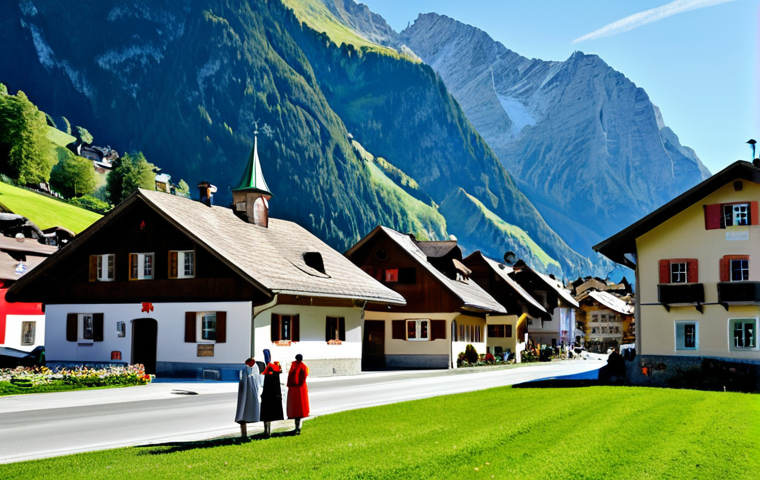
Liechtenstein is a strong believer in multilateralism and actively participates in international organizations like the United Nations, the Council of Europe, and the Organization for Security and Co-operation in Europe (OSCE).
They really seem to use these platforms to advocate for their values and interests. I remember seeing a representative from Liechtenstein speaking at a UN event, and they were so passionate about promoting human rights and sustainable development.
Finding Strength in Unity: Collaboration with Neighbors
Given its geographical constraints, Liechtenstein understands the importance of close relationships with its neighbors, Switzerland and Austria. These partnerships are absolutely vital for its economic prosperity, security, and overall well-being.
It’s not just about being friendly; it’s about strategically aligning interests.
1. Deepening Ties with Switzerland: A Special Relationship
Liechtenstein and Switzerland share a customs and currency union, meaning that they have a highly integrated economy and a shared currency (the Swiss Franc).
I heard a professor say that this close relationship has been crucial for Liechtenstein’s economic development, providing it with access to a larger market and a stable monetary system.
It’s like having a big brother who always has your back!
2. Nurturing Bonds with Austria: Shared Culture and History
Liechtenstein also has strong historical and cultural ties with Austria. They cooperate on various issues, including education, environmental protection, and cultural exchange.
It’s great to see them working together to preserve their shared heritage and address common challenges. I noticed a lot of Austrian influence in Liechtenstein when I visited, from the architecture to the food.
Leveraging Economic Prowess: Attracting Investment and Expertise
Liechtenstein’s stable economy and favorable business environment have made it an attractive destination for foreign investment and talent. The country actively promotes itself as a hub for innovation and entrepreneurship.
This approach really helps them to diversify their economy and create jobs.
1. Promoting Innovation: Fostering a Culture of Entrepreneurship
Liechtenstein has invested heavily in education and research to foster a culture of innovation. The government provides support for startups and small businesses.
They seem to know that encouraging innovation is key to long-term economic growth and competitiveness. I remember reading about a Liechtenstein company that developed a groundbreaking technology in the field of renewable energy.
2. Attracting Foreign Investment: Showcasing Stability and Opportunity
Liechtenstein actively courts foreign investors by highlighting its political stability, sound legal framework, and attractive tax system. They are keen to emphasize their strong financial sector.
I have a friend who runs a business in Liechtenstein, and they always tell me how easy it is to do business there compared to other countries.
Championing Human Rights and International Law: A Principled Stance
Despite its small size, Liechtenstein is a vocal advocate for human rights and international law on the global stage. It actively participates in international forums and initiatives aimed at promoting these values.
This principled stance enhances its reputation and strengthens its relationships with other like-minded countries.
1. Advocating for Human Rights: A Moral Imperative
Liechtenstein consistently speaks out against human rights violations around the world. They actively support international organizations that work to protect human rights.
I truly believe that their commitment to human rights reflects the values of its people.
2. Upholding International Law: A Foundation for Stability
Liechtenstein believes that international law is essential for maintaining peace and stability in the world. They are committed to adhering to international treaties and conventions.
This commitment strengthens their credibility as a reliable partner in the international community.
Adapting to a Changing World: Embracing New Challenges
Liechtenstein recognizes that the world is constantly evolving, and it must adapt its foreign policy to address new challenges, such as climate change, cybersecurity, and global pandemics.
They seem to embrace innovation and technology to meet these challenges. It’s about being proactive and staying ahead of the curve.
1. Addressing Climate Change: A Global Responsibility
Liechtenstein is committed to reducing its carbon footprint and promoting sustainable development. They actively support international efforts to combat climate change.
They understand that climate change poses a significant threat to their economy and environment.
2. Strengthening Cybersecurity: Protecting Digital Infrastructure
Liechtenstein recognizes the growing importance of cybersecurity and is taking steps to protect its digital infrastructure from cyberattacks. They are investing in cybersecurity education and training.
This investment will help them to safeguard their critical infrastructure and data.
Investing in Cultural Diplomacy: Promoting Understanding and Goodwill
Liechtenstein uses cultural diplomacy to promote understanding and goodwill between its people and those of other nations. This initiative includes supporting cultural exchanges, promoting its art and culture, and fostering educational opportunities.
It’s about building bridges and creating lasting relationships.
1. Supporting Cultural Exchanges: Bridging Cultural Gaps
Liechtenstein actively supports cultural exchanges with other countries to promote mutual understanding and appreciation. These exchanges include student programs, artist residencies, and cultural festivals.
I’ve seen firsthand how these exchanges can break down stereotypes and foster cross-cultural connections.
2. Showcasing Liechtenstein Art and Culture: A Window into the Nation’s Soul
Liechtenstein takes pride in its rich artistic heritage and actively promotes its art and culture abroad. This includes sponsoring exhibitions, concerts, and performances by Liechtenstein artists.
It’s a way of showcasing the country’s unique identity and values. Here is a table summarizing Liechtenstein’s key diplomatic strategies:
| Strategy | Description | Examples |
|---|---|---|
| Economic Diplomacy | Leveraging economic strength to foster international relationships and secure favorable trade agreements. | Promoting free trade, attracting foreign investment, ensuring financial stability. |
| Multilateralism | Actively participating in international organizations to promote its interests and values. | Joining the UN, Council of Europe, OSCE; advocating for human rights and sustainable development. |
| Regional Cooperation | Building strong relationships with neighboring countries, particularly Switzerland and Austria. | Customs and currency union with Switzerland, cooperation with Austria on education and culture. |
| Championing Human Rights | Advocating for human rights and international law on the global stage. | Speaking out against human rights violations, supporting international human rights organizations. |
| Cultural Diplomacy | Promoting understanding and goodwill through cultural exchanges and showcasing Liechtenstein’s art and culture. | Supporting student programs, artist residencies, and cultural festivals. |
Ensuring Long-Term Security: Building a Network of Allies
Liechtenstein understands that its security depends on building a network of allies and partners who share its values and interests. This involves participating in international security initiatives and fostering diplomatic relations with countries around the world.
It’s about creating a sense of collective security.
1. Participating in Security Initiatives: Contributing to Global Peace
Liechtenstein contributes to international security initiatives, such as peacekeeping operations and arms control agreements. They seem committed to playing their part in maintaining global peace and security.
2. Fostering Diplomatic Relations: Building Bridges of Friendship
Liechtenstein actively fosters diplomatic relations with countries around the world. They want to expand their network of friends and partners. I believe that these relationships are essential for promoting mutual understanding and cooperation.
In Conclusion
Liechtenstein’s foreign policy is a testament to the fact that even small states can have a significant impact on the world stage. By prioritizing economic diplomacy, multilateralism, and regional cooperation, Liechtenstein has managed to carve out its own niche and promote its interests effectively. It’s a fascinating example of how a small country can navigate the complexities of global affairs with intelligence, adaptability, and a strong commitment to its values.
Whether you’re interested in international relations, economic policy, or simply the unique story of a small nation making its mark, Liechtenstein’s approach to foreign policy offers valuable lessons for us all. It showcases the importance of strategic partnerships, unwavering principles, and a proactive approach to global challenges.
Useful Information
1. Currency: The official currency of Liechtenstein is the Swiss Franc (CHF).
2. Languages: The official language is German, but Alemannic dialects are commonly spoken.
3. Getting Around: Liechtenstein is small and easily navigable by car, bike, or public transportation. Consider purchasing a day pass for the local bus system.
4. Local Cuisine: Be sure to try traditional dishes like Käsknöpfle (cheese noodles) and Riebel (a type of cornmeal porridge).
5. Banking and Finance: Liechtenstein is known for its financial sector. ATMs are readily available, and credit cards are widely accepted.
Key Takeaways
Liechtenstein’s foreign policy focuses on economic diplomacy and leveraging its financial prowess.
The country actively participates in multilateral organizations to advocate for its values.
Close relationships with Switzerland and Austria are crucial for Liechtenstein’s stability and prosperity.
Liechtenstein champions human rights and international law on the global stage.
Cultural diplomacy is used to promote understanding and goodwill.
Frequently Asked Questions (FAQ) 📖
Q: What are some of the key drivers behind Liechtenstein’s foreign policy, given its small size and unique geopolitical position?
A: Well, from what I’ve gathered, and seeing things firsthand in Vaduz, Liechtenstein’s foreign policy is really shaped by two big things: its economy and its desire to play well with others.
Because they’re so small, they really depend on international trade and investment. So, building strong relationships with other countries is crucial for their economic survival.
Plus, they’re genuinely committed to international cooperation and being a responsible member of the global community. Think of it like a small business owner who knows they need to network and play nice to thrive.
It’s about survival and contributing in a meaningful way, even on a smaller scale.
Q: How does Liechtenstein leverage its economic strengths in its diplomatic efforts?
A: Okay, imagine a small, but very successful, tech company. That’s kind of like Liechtenstein. They’re a major financial center, right?
So, they use that to their advantage. They actively participate in international forums on things like tax transparency and financial regulation. They also promote sustainable finance.
It’s like saying, “Hey, we’re not just making money; we’re making a difference too.” This helps them build credibility and influence on the global stage, even though they’re small.
I felt this when I saw their commitment to sustainable development goals during my visit.
Q: In what specific international forums and organizations does Liechtenstein actively participate to advance its foreign policy goals?
A: Think of Liechtenstein as that one friend who’s always at the important conferences and meetings, even though they might not be the loudest person in the room.
They’re really active in the UN, the Council of Europe, and the European Economic Area (EEA). Being part of the EEA is especially important because it gives them access to the European single market.
They also engage in various specialized agencies focused on things like human rights and environmental protection. From what I saw, they take these commitments seriously and use these platforms to advocate for their interests and values.
It really showcases how even a small nation can have a big voice when it comes to global issues.
📚 References
Wikipedia Encyclopedia
구글 검색 결과
구글 검색 결과
구글 검색 결과
구글 검색 결과
구글 검색 결과