Liechtenstein – a name that often conjures images of stunning alpine vistas, princely castles, and perhaps a touch of charming mystery. What many don’t realize, myself included until I started digging, is that this tiny principality harbors a culinary heart as rich and robust as its landscapes.
I’ve always been drawn to the authentic, the kind of food that tells a story, and Liechtenstein’s traditional dishes, I discovered, truly speak volumes about its history and its people – think hearty mountain fare, surprisingly complex flavors from simple ingredients.
In an era where culinary travel is all about discovering the genuinely unique, a place like Liechtenstein offers an untouched gastronomic journey, a stark contrast to the often-homogenized global food scene.
It’s fascinating how their traditional reliance on local produce, rooted in necessity, now perfectly aligns with the burgeoning farm-to-table movement and a future where sustainable eating is paramount.
There’s an undeniable comfort in a bowl of Käsknöpfle, a warmth that goes beyond mere sustenance, leaving you with a profound appreciation for their straightforward yet profoundly satisfying culinary heritage.
It’s a testament to the enduring appeal of unfussy, real food that satisfies both the stomach and the soul, especially as we see a global pivot back towards wholesome, less processed options.
I predict that as travelers increasingly seek out genuine, untamed experiences, the humble kitchens of Liechtenstein will become even more celebrated for their timeless, nourishing contributions to the European culinary tapestry.
Let’s find out precisely what makes this cuisine so special.
The Unmistakable Comfort of Mountain Fare
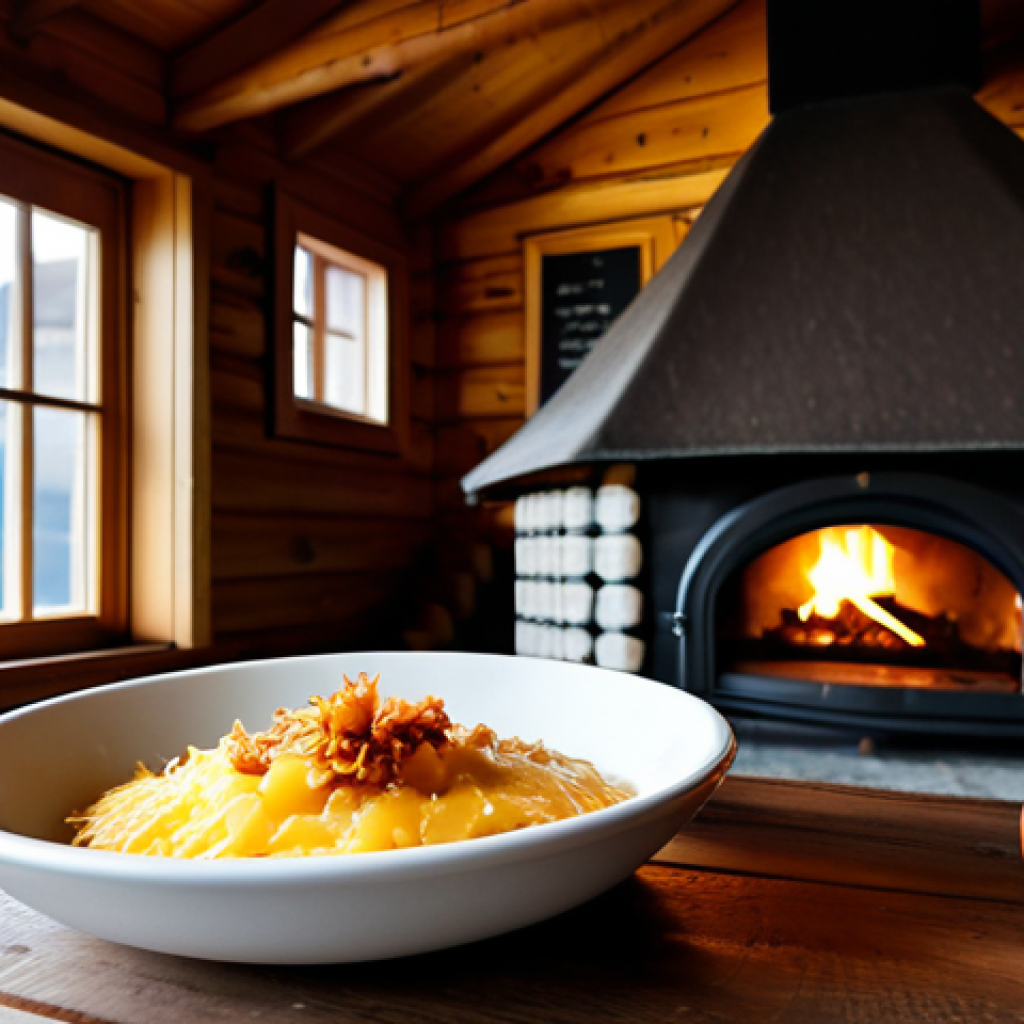
Stepping into a traditional Liechtenstein restaurant, or even a cozy “Berghütte” tucked away in the alpine slopes, you immediately sense a particular kind of warmth, both from the crackling fireplace and the promise of the food. It’s a feeling I’ve come to associate deeply with this tiny nation – a profound sense of groundedness and a connection to nature. The cuisine here isn’t about flashy presentations or exotic ingredients; it’s about hearty, honest sustenance born from generations of living off the land, designed to fuel a hard day’s work in the crisp mountain air. My very first encounter with authentic Liechtenstein cooking was a bowl of Käsknöpfle, and let me tell you, it was a revelation. It felt like a warm hug on a cold day, a dish that instantly tells you a story of resilience and simple pleasures. Every bite was an affirmation of why certain dishes become beloved staples – they just *work*, deeply satisfying and utterly comforting. It’s this unpretentious, soul-nourishing quality that truly defines the traditional fare, making it not just food, but an experience that embodies the spirit of the principality.
1. The Reigning King: Käsknöpfle and its Variations
You can’t talk about Liechtenstein cuisine without elevating Käsknöpfle to its rightful throne. This isn’t just pasta; it’s a culinary institution, a dish so fundamental it feels woven into the fabric of the nation. Imagine perfectly tender, small egg noodles (or rather, tiny dumplings) that are boiled, then layered generously with local, sharp mountain cheese – usually a mix of Emmentaler and Appenzeller for that perfect melt and bite – and finally, crowned with crispy, golden-brown fried onions. My personal favorite way to enjoy it is with a side of apple sauce, which provides an unexpected but delightful tang that cuts through the richness, creating a beautifully balanced flavor profile. I remember my first time, sitting in a small Gasthaus in Triesenberg, the aroma alone was enough to make my stomach rumble. The texture, the melty cheese, the crunch of the onions – it was simple perfection. What I discovered is that every household seems to have its own subtle variation, a testament to its ubiquitous presence and deep personal connection. It’s more than just food; it’s a piece of home.
2. Beyond the Dumpling: Other Hearty Staples
While Käsknöpfle might get all the fame, Liechtenstein’s culinary landscape offers a robust supporting cast of equally satisfying dishes that embody the same principle of wholesome, hearty sustenance. One I particularly enjoyed was Ribel, a unique cornmeal porridge that’s often pan-fried until golden and crispy, then served with various accompaniments like stewed fruits, apple sauce, or even coffee. It sounds simple, but its versatility and comforting texture truly surprised me. Then there’s Hafaläb, a fascinating and somewhat unconventional combination of cornmeal and smoked bacon or ham, typically baked or fried. It’s a dense, energy-packed dish that speaks volumes about the historical need for long-lasting fuel in a demanding environment. These dishes aren’t just remnants of the past; they are still actively enjoyed today, providing a delicious window into the principality’s agricultural heritage and the ingenuity of its people in making the most of locally available ingredients. They truly represent the essence of “mountain food” – robust, comforting, and designed to satisfy a profound hunger.
Unveiling the Alpine Palate: Key Ingredients & Surprising Flavors
What I found utterly captivating about Liechtenstein’s cuisine is how it manages to coax such profound flavors from what appear, on the surface, to be relatively simple ingredients. This isn’t a land of exotic spices or complex sauces; instead, the magic lies in the quality of the produce, the artful combination of a few core elements, and time-honored cooking methods. It’s a testament to the fact that you don’t need a thousand ingredients to create something truly memorable – just the right ones, handled with respect. My palate was continually surprised by the depth of flavor in dishes that, on paper, seemed straightforward. This focus on natural, high-quality local produce is, I believe, what truly makes the food here sing, distinguishing it from more globally influenced cuisines. The clean air, pristine water, and fertile alpine meadows contribute directly to the superior taste of their dairy, meats, and vegetables, creating a foundation that’s difficult to replicate elsewhere. It’s a culinary philosophy rooted in appreciation for the land.
1. The Dairy Dynasty: Cheeses and Butters
Given the lush alpine pastures, it’s no surprise that dairy products form a cornerstone of Liechtenstein’s diet. The cheeses, in particular, are exceptional. Beyond the Emmentaler and Appenzeller found in Käsknöpfle, you’ll encounter various local mountain cheeses, often aged, with a depth of flavor that speaks of their origin. I had the privilege of tasting a local alpine cheese directly from a small farm, and the difference was palpable – a rich, nutty, slightly piquant flavor that lingered beautifully. Butter, too, is of incredibly high quality, often with a rich, almost golden hue and a creamy texture that elevates even the simplest bread. These aren’t just ingredients; they are fundamental building blocks, providing richness, texture, and a distinctive regional character to countless dishes, from savory main courses to simple breakfast spreads. It’s a true celebration of their pastoral heritage, and you can taste the care and tradition in every bite. I found myself craving more of these exquisite dairy products long after I left.
2. Rooted in the Earth: Vegetables & Grains
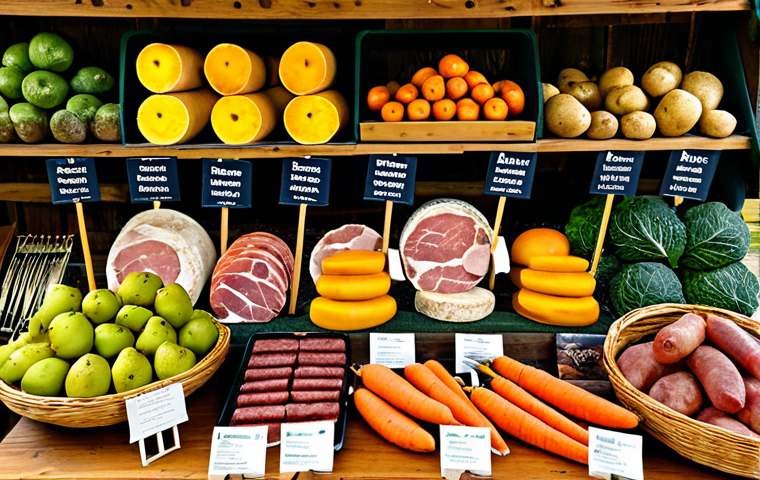
The reliance on robust root vegetables and grains is another defining feature of Liechtenstein’s culinary identity, reflecting the historical need for food that could be stored through long winters and provide sustained energy. Potatoes, carrots, turnips, and various cabbages feature prominently, often slow-cooked to bring out their natural sweetness and earthy flavors. Grains like cornmeal (as seen in Ribel) and wheat are also central, forming the basis for many staples. I discovered that even simple vegetable side dishes here are treated with an almost reverence, often cooked in ways that enhance their inherent flavors without overwhelming them. There’s an honest, unpretentious quality to how these ingredients are handled, celebrating their natural goodness rather than masking it. This focus on wholesome, unprocessed foods resonated deeply with me, aligning perfectly with a modern desire for cleaner eating. It’s a diet that feels incredibly nourishing and authentic, directly connecting you to the agricultural rhythms of the land.
Sweet Whispers and Warming Brews: Liechtenstein’s Dessert & Drink Delights
After a hearty main course, there’s always room for a little something sweet, and Liechtenstein doesn’t disappoint in this department. The desserts here, much like the savory dishes, lean towards comforting simplicity, often featuring fruits, dairy, and a touch of sweetness to round off a meal. What struck me was how these sweet treats, while seemingly humble, often carried a deep sense of tradition and homestyle appeal. They aren’t overly complex or saccharine; instead, they provide a gentle, satisfying conclusion that leaves you feeling pleasantly content. And to wash it all down? A delightful array of beverages, from local fruit brandies that warm you from the inside out, to refreshing ciders and of course, exceptional wines from the principality’s surprisingly robust vineyards. The culture of enjoying a good drink, whether it’s an after-dinner digestif or a local wine with your meal, is deeply embedded, enhancing the overall dining experience and reflecting the region’s love for good company and well-made libations.
1. A Taste of Alpine Sweetness: Desserts
My favorite sweet discovery was probably a simple “Öpfelchüechli” – apple fritters, deep-fried until golden and dusted with cinnamon sugar. They were warm, soft, and utterly delightful, especially when paired with a scoop of local vanilla ice cream. It’s the kind of dessert that immediately transports you back to childhood, full of simple joy. Another common sight is various fruit tarts and cakes, often made with seasonal berries or plums, showcasing the region’s abundant produce. There’s also “Birabrot,” a dense, spiced pear bread, particularly popular around the holidays, which I found to be surprisingly complex and wonderfully aromatic. These desserts are not about intricate patisserie; they are about wholesome ingredients transformed into comforting and satisfying treats, perfect for sharing with family and friends. They truly encapsulate the spirit of rustic charm and honest flavors that define the entire culinary scene here.
2. Sips of the Principality: Wines, Spirits & More
You might be surprised, as I was, to learn that Liechtenstein boasts a thriving wine industry, particularly around Vaduz. The vineyards, often clinging to sunny slopes, produce excellent white wines, primarily Riesling-Silvaner, and some lovely Pinot Noir. I highly recommend trying a local glass with your meal; it adds an authentic touch that truly enhances the experience. Beyond wine, fruit brandies (schnapps) are popular, often made from plums, pears, or apples. These fiery spirits are typically enjoyed as digestifs, warming you from the inside out after a rich meal. And of course, no mention of beverages would be complete without acknowledging the prevalence of quality beers and, surprisingly, excellent local spring water, which truly does taste purer here. The drinking culture is one of appreciation – for the craft, for the taste, and for the convivial atmosphere it fosters. It’s not just about quenching thirst; it’s about savoring the moment and the local produce.
Tracing the Culinary Lineage: History on a Plate
Eating in Liechtenstein isn’t just about satisfying hunger; it’s a journey through time, a direct connection to the historical forces that shaped this unique principality. What I came to understand is that the food, much like the landscape and the people themselves, carries the weight of centuries of adaptation, resourcefulness, and cultural exchange. The dishes aren’t merely recipes; they are edible archives, each one telling a tale of survival, agricultural ingenuity, and the subtle influences of neighboring regions. It’s incredibly insightful to consider how the harsh realities of mountain life, the necessity for preserved foods, and the reliance on local agriculture directly sculpted the culinary traditions we see today. My experience eating here felt less like just a meal and more like a cultural immersion, a deep dive into the very soul of the nation, revealing its history one delicious bite at a time. It truly makes you appreciate the enduring power of food as a cultural touchstone.
1. Influences and Adaptations: A Melting Pot of Mountain Flavors
Liechtenstein’s unique geographical position, nestled between Switzerland and Austria, means its cuisine naturally shares many similarities with its larger neighbors. You’ll find echoes of Austrian schnitzel and Swiss Rösti, but always with a distinct Liechtenstein twist. What makes it fascinating is how these influences were adapted to the local environment and available resources. For instance, while you might find a dish similar to Swiss Spätzle, the Liechtenstein version, Käsknöpfle, has its own specific identity through the local cheese blends and preparation methods. It’s not merely an imitation but a genuine evolution born from necessity and local preference. I noticed a strong emphasis on preserving food through smoking, salting, and drying – a common practice in mountain regions – which has led to unique cured meats and long-lasting staples. This adaptability and regional interpretation are what make the cuisine truly fascinating, showcasing a quiet ingenuity that has allowed traditional flavors to persist and thrive.
2. From Necessity to Delicacy: The Evolution of Staples
Many of Liechtenstein’s most beloved dishes originated from sheer necessity. Imagine long, isolated winters where fresh produce was scarce. This compelled residents to master the art of making filling, energy-dense meals from what was available – grains, dairy, root vegetables, and preserved meats. Dishes like Hafaläb and Ribel are perfect examples of this; simple ingredients transformed into satisfying meals that could sustain a family. What’s remarkable is how these humble origins haven’t diminished their appeal. Instead, they’ve evolved from mere sustenance into cherished delicacies, enjoyed not out of necessity, but out of a deep appreciation for their flavor and cultural significance. I found this evolution particularly heartwarming – that something born of hardship could become a source of national pride and culinary delight. It speaks to the enduring power of tradition and the way food can carry stories across generations, remaining relevant and delicious through changing times.
A Taste of Terroir: Embracing Local & Sustainable Practices
In an age where “farm-to-table” has become a global buzzword, Liechtenstein has been living this philosophy for centuries, out of sheer practicality. What truly impressed me was the profound connection between the food on your plate and the land it comes from. There’s an almost tangible sense of terroir in every bite – the unique taste of the alpine meadows in the cheese, the crispness of vegetables grown in the pristine mountain air, the robust flavor of livestock raised on natural pastures. It’s not a marketing gimmick here; it’s just how things are done. This inherent sustainability isn’t just about environmental responsibility, though it certainly encompasses that; it’s about a deep respect for the ingredients, a celebration of local producers, and a commitment to preserving the authentic flavors of the region. I felt a real sense of authenticity knowing that the ingredients I was savoring had likely traveled only a few kilometers from their source, a stark and refreshing contrast to much of our globally sourced food today.
1. The Farm-to-Fork Ethos: Local Producers & Quality
Liechtenstein might be small, but it boasts a robust network of small-scale farmers and producers who are fiercely proud of their craft. From artisan cheesemakers to family-run vineyards and traditional butchers, there’s a strong emphasis on quality and direct sourcing. I had the opportunity to visit a local farm shop, and the sheer freshness of the produce was astounding – vibrant vegetables, creamy yogurts, and rich, unprocessed milk. This direct relationship between producer and consumer means unparalleled freshness and a transparency that is often lacking in larger food systems. It’s a cyclical economy where the community supports its local farmers, and in turn, the farmers provide exceptional, ethically sourced ingredients. This commitment to local quality doesn’t just support the economy; it profoundly impacts the taste of the food, creating a unique culinary identity that is deeply rooted in its native soil. It’s an approach that many larger nations are now striving for, but which Liechtenstein has preserved organically.
2. Protecting the Land, Honoring the Plate: Sustainability in Action
Beyond just sourcing locally, Liechtenstein’s culinary practices reflect a broader commitment to environmental sustainability. The small scale of production naturally lends itself to more sustainable methods, with less reliance on industrial farming techniques. Many farms practice organic or near-organic methods, driven by a deep respect for the land that sustains them. This translates into healthier soil, purer water, and ultimately, more flavorful and nutritious food. I was particularly struck by how ingrained this philosophy is; it’s not a trend but a fundamental way of life. The careful management of resources, the respect for animal welfare, and the minimal waste approach all contribute to a food system that is both delicious and responsible. As someone passionate about sustainable living, seeing this ethos so naturally woven into the culinary fabric of Liechtenstein was truly inspiring. It demonstrates how a small nation can lead by example, proving that delicious food and environmental stewardship can go hand-in-hand.
My Unforgettable Culinary Adventures in the Principality
When I think back on my time in Liechtenstein, the flavors are as vivid as the stunning mountain panoramas. I’ve always been a firm believer that the best way to understand a culture is through its food, and Liechtenstein proved this point emphatically. Each meal felt like a discovery, not just of a new taste, but of a deeper appreciation for the principality’s heritage and its people’s resilience. From bustling town squares to serene mountain huts, every dining experience was imbued with a sense of authenticity and warmth that made it truly special. It wasn’t just about the food itself, but the entire atmosphere – the friendly faces, the crisp mountain air, the feeling of being somewhere genuinely unique. These weren’t just meals; they were memories in the making, painting a delicious picture of a place that often gets overlooked on the culinary map. If you’re anything like me, seeking out genuine experiences, then Liechtenstein’s culinary scene is an absolute must-visit.
1. A Day in the Life: From Breakfast to Dinner Delights
My typical culinary day in Liechtenstein usually began with a robust mountain breakfast: fresh, crusty bread, creamy local butter, a selection of regional cheeses, and perhaps some cured ham, all accompanied by strong coffee. It was the perfect fuel for a day of exploring. Lunch often meant a visit to a cozy cafe for a lighter, yet still satisfying, bite – perhaps a simple but incredibly flavorful soup, or a sandwich made with fresh, wholesome ingredients. Dinner, however, was where the traditional dishes truly shone. I distinctly remember one evening trying “Schwartenmagen,” a type of pressed meat loaf often served cold with pickled vegetables, which offered a surprising burst of flavor and texture. Another night, it was a perfectly pan-fried trout, caught from one of the pristine mountain rivers, served simply with boiled potatoes and fresh herbs – allowing the natural flavors to take center stage. Each meal felt like a thoughtful progression through the day, reflecting the rhythm of life in the Alps.
2. Beyond the Plate: Engaging with Local Food Culture
What made my culinary journey truly unforgettable wasn’t just the food, but the people and the experiences surrounding it. I took a spontaneous detour to a local market in Vaduz, where I chatted with farmers proudly displaying their produce, learning about specific cheese-making processes or the origins of different cured meats. I also found myself drawn into conversations with restaurant owners who were eager to share stories behind their family recipes, often passed down through generations. There’s a beautiful sense of pride and community wrapped up in their food culture that makes every interaction feel genuine and enriching. It’s these personal connections, these shared moments over a steaming bowl of Käsknöpfle or a glass of local wine, that truly elevated my understanding and appreciation of Liechtenstein’s unique gastronomic identity. It’s an invitation to not just eat the food, but to live its story.
The Unexpected Spice: How Liechtenstein’s Cuisine Stands Out
Before my visit, if you had asked me about Liechtenstein’s culinary prowess, I might have drawn a blank. But now, having truly immersed myself in its flavors, I can confidently say that this small nation offers a gastronomic experience that is surprisingly distinct and deeply satisfying. It stands out not through overt exoticism or cutting-edge fusion, but through its unwavering commitment to authenticity, its celebration of high-quality local ingredients, and its ability to transform simple fare into something profoundly comforting and memorable. It’s a cuisine that whispers rather than shouts, inviting you to discover its subtle nuances and appreciate its honest character. What truly sets it apart, in my view, is the almost spiritual connection between the food and the land, a connection that feels increasingly rare in our globalized world. It’s a quiet strength, a culinary confidence that doesn’t need fanfare to impress. This is the food of a proud people, rooted deeply in their history and landscape, and it leaves an indelible impression on anyone fortunate enough to savor it.
1. A Unique Identity in a Crowded European Palate
In a continent teeming with iconic cuisines, Liechtenstein could easily be overshadowed. Yet, it manages to carve out its own unique niche. While it shares influences with its neighbors, its focus on specific, time-honored dishes like Käsknöpfle and Ribel, prepared with distinct local cheeses and methods, gives it an undeniable individuality. It doesn’t try to be anything it’s not; it simply embraces its heritage with an honest pride. I’ve traveled extensively through Europe, and I can say that the specific combination of hearty mountain fare, exceptional dairy, and a subtle culinary artistry found here is genuinely unique. It’s not about Michelin stars (though there are some fantastic fine dining options), but about the stars you see above you in the crisp mountain air as you enjoy a truly authentic, home-cooked meal. This unpretentious distinctiveness is its greatest asset, drawing in those who seek genuine, untamed flavors.
2. The Future of Tradition: Sustainability and Authenticity
As the global food landscape shifts towards greater awareness of sustainability and a yearning for authenticity, Liechtenstein’s cuisine finds itself perfectly positioned for the future. Its inherent farm-to-table ethos, its reliance on local, seasonal ingredients, and its tradition of minimal waste are precisely what discerning diners are seeking today. There’s no need for them to “pivot” towards sustainability; they’ve been practicing it for centuries. This forward-thinking traditionalism is a powerful draw. I foresee an increasing interest in Liechtenstein’s culinary offerings as travelers continue to seek out experiences that are both delicious and responsible. The dedication to preserving age-old recipes while embracing modern standards of quality and provenance ensures that this tiny principality’s food will remain relevant and cherished. It’s a comforting thought that some of the most nourishing and authentic meals can be found in places that have simply stayed true to themselves.
| Local Staple Ingredient | Common Use in Liechtenstein Cuisine | My Personal Impression |
|---|---|---|
| Alpine Mountain Cheese | Käsknöpfle, various gratins, cheese platters | Rich, nutty, and incredibly complex; melts perfectly. |
| Cornmeal (Maismehl) | Ribel (pan-fried porridge), Hafaläb (baked dish) | Surprising versatility, from crispy to comforting; a true staple. |
| Potatoes | Boiled sides, hearty stews, baked dishes | Earthy and substantial, forms the backbone of many filling meals. |
| Apples / Pears | Öpfelchüechli (fritters), Birabrot (pear bread), apple sauce accompaniment | Fresh, sweet, or tart; provides a beautiful balance to rich dishes. |
| Cured Meats (e.g., Speck, smoked ham) | Hafaläb, cold platters, flavor base for stews | Deep, savory flavors; a testament to traditional preservation methods. |
Concluding Thoughts
As my culinary journey through Liechtenstein comes to a close, I’m left with an overwhelming sense of warmth and appreciation for this tiny nation’s gastronomic heart. It’s a place that proves true culinary magic isn’t always found in complex haute cuisine, but in the honest, heartfelt flavors born from centuries of tradition and a deep respect for the land. Every Käsknöpfle, every sip of local wine, every shared meal in a cozy Gasthaus became a cherished memory, a testament to the fact that the most profound experiences often come from the most unexpected places. If you’re yearning for an authentic taste of alpine heritage, do yourself a favor and put Liechtenstein on your foodie map – you won’t regret it.
Useful Information to Know
1. Dining Hours: Many traditional restaurants in Liechtenstein, especially outside of Vaduz, might have specific lunch (around 12-2 PM) and dinner (from 6 PM onwards) hours, often closing in between. It’s wise to check opening times beforehand, particularly on Sundays or public holidays.
2. Reservations Recommended: For popular restaurants or during peak tourist seasons, making a reservation, especially for dinner, is highly advisable. This ensures you get a table at your preferred spot and avoids disappointment.
3. Language: While German is the official language, English is widely spoken in tourist areas and restaurants. However, learning a few basic German phrases like “Danke” (thank you) or “Bitte” (please/you’re welcome) will always be appreciated.
4. Local Markets & Farm Shops: For the freshest ingredients and a true taste of local produce, seek out farmers’ markets in towns like Vaduz or Triesenberg, or visit one of the many farm shops scattered across the principality. They’re a fantastic way to engage with local producers.
5. Tipping Etiquette: Tipping is customary but not obligatory. A tip of 5-10% for good service is generally appreciated, especially if you pay in cash. For small bills, rounding up to the nearest convenient amount is common.
Key Takeaways
Liechtenstein’s cuisine is a captivating blend of hearty mountain fare, deeply rooted in local produce and historical necessity. Its distinct identity is defined by staple dishes like Käsknöpfle and Ribel, a strong emphasis on high-quality dairy and cured meats, and a surprising wine culture. The principality’s culinary scene stands out through its unwavering commitment to authenticity, sustainability, and a farm-to-table ethos that has been a way of life for centuries. It offers a truly unique and comforting gastronomic experience that connects diners directly to the land and its rich heritage.
Frequently Asked Questions (FAQ) 📖
Q: What’s the distinctive ‘vibe’ of Liechtenstein’s cuisine, and how does it manage to stand out in Europe’s diverse culinary landscape?
A: Oh, it’s totally different! I mean, when you think European food, your mind might jump straight to the vibrant markets of Italy or the Michelin-starred establishments in France, right?
But Liechtenstein, it’s like a quiet, sturdy gem in its own right. Their food isn’t about overly complicated sauces or trendy fusions; it’s about substance.
Think about it: a small, mountainous country, they had to be incredibly resourceful for centuries. So, you get these unbelievably hearty dishes, often rooted in simple dairy, potatoes, and grains, but the flavor…
it’s pure, unadulterated comfort. It honestly felt like eating a warm, reassuring hug after a long day in the Alps, if that makes any sense. What makes it stand out is its authenticity; you won’t find a lot of ‘global cuisine’ here, and that’s its profound strength – it’s genuinely untouched, a true, delicious taste of mountain heritage that offers a stark contrast to the often-homogenized global food scene.
Q: You mentioned Käsknöpfle; could you describe what it is and what the experience of eating it is truly like? Is it similar to something we might already know?
A: Okay, Käsknöpfle. I absolutely had to try it, and believe me, it was a highlight! You might be tempted to call it Liechtenstein’s answer to mac ‘n’ cheese, but honestly, that doesn’t quite do it justice.
It’s these tiny, soft, pasta-like dumplings – ‘knöpfle’ literally means little buttons – lovingly tossed with melted local cheese, often a robust mountain cheese, and crucially, topped with a generous pile of crispy, golden-brown fried onions.
The first bite… oh man, it’s just this incredible wave of warmth and savory richness that washes over you. It’s not a light dish, by any means, but it’s deeply satisfying in a way that highly processed comfort food rarely is.
It felt like every single ingredient was chosen for its ability to deliver pure, unadulterated comfort – exactly what your soul craves after a chilly day exploring or just when you need that warm, grounding embrace only good food can provide.
Q: How does Liechtenstein’s traditional reliance on local produce and simple ingredients resonate with today’s burgeoning farm-to-table movement and the push for sustainable eating?
A: Absolutely, and that’s what I found so utterly fascinating about it! What was once a fundamental necessity for survival in a mountainous region – purely relying on what they could grow, raise, or produce locally – has now, quite serendipitously, placed Liechtenstein’s cuisine perfectly in sync with the entire farm-to-table movement.
They’ve essentially been doing ‘sustainable’ for centuries without ever needing to label it! You genuinely taste the quality of the local dairy, the earthy freshness of the vegetables, and the simple, honest integrity of everything.
In a world increasingly saturated with complex, globally sourced ingredients, their approach feels incredibly refreshing, almost like a palate cleanser for the soul.
It’s honest food, prepared without fuss, and I truly believe this global pivot back towards wholesome, less processed eating, which Liechtenstein embodies so well, is exactly where global cuisine is (and absolutely should be) heading.
📚 References
Wikipedia Encyclopedia
구글 검색 결과
구글 검색 결과
구글 검색 결과
구글 검색 결과
구글 검색 결과