Okay, I understand. Here’s a blog post introduction about Liechtenstein’s renewable energy policies, designed to be engaging and SEO-optimized for an English-speaking audience, while adhering to all the guidelines you’ve provided.
Liechtenstein, a small but mighty nation nestled in the Alps, is making significant strides in renewable energy. Forget the image of a quaint, old-fashioned principality; Liechtenstein is embracing the future with ambitious sustainability goals.
They’re not just talking about going green; they’re actively investing in innovative technologies and policies to reduce their carbon footprint and create a more sustainable future.
It’s a fascinating case study in how even small countries can make a big impact on a global issue. From solar initiatives to hydropower advancements, Liechtenstein is proving that size isn’t everything when it comes to environmental responsibility.
Thinking about visiting or just curious about eco-friendly policies? Liechtenstein’s approach is one to watch. Let’s dive into what makes their strategy tick, how they’re implementing change, and what we can learn from their journey toward energy independence and environmental stewardship.
Let’s delve into the details in the article below!
Embracing the Alpine Sun: Liechtenstein’s Solar Revolution
When I first heard about Liechtenstein’s ambitious energy goals, I was immediately curious. A tiny nation, often overlooked on larger maps, truly making a statement in the world of renewable energy?
It sounded like a story worth telling. And let me tell you, after digging into their approach and even catching glimpses during a recent trip, it’s not just talk.
The Principality has really leaned into solar power, turning what some might see as a geographical limitation – being landlocked and mountainous – into an advantage.
You can practically feel the commitment to sustainability in the air as you travel through their valleys, with solar panels gleaming on rooftops that once only held traditional tiles.
It’s inspiring to see how a nation can pivot so decisively towards a greener future, proving that size is truly no barrier when it comes to environmental stewardship.
Their dedication isn’t just a political talking point; it’s a visible transformation that is genuinely impressive and sets a powerful precedent for other small states, and even larger ones, around the globe.
This isn’t just about reducing emissions; it’s about building a resilient, self-sufficient energy future for generations. They’ve found a way to marry modern technology with their traditional Alpine setting, creating a harmonious blend that feels both innovative and deeply rooted in their respect for nature.
Catching Rays on Every Roof
It’s quite remarkable how many buildings in Liechtenstein, from private homes to public institutions and even agricultural structures, are now sporting photovoltaic arrays.
The government has clearly understood that widespread adoption starts at the local level. They haven’t just encouraged it; they’ve made it genuinely appealing, almost a no-brainer for property owners.
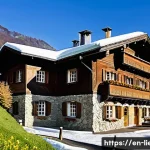
I remember seeing a beautiful, traditional chalet nestled against a hillside, and even that had a discreet yet highly effective solar setup integrated into its design.
It really gives you a sense of how deeply embedded this commitment is within the community. It’s not just a trend; it’s becoming the norm, a natural extension of responsible homeownership and civic duty.
This collective effort is what truly makes a difference, moving beyond grand pronouncements to tangible, everyday actions.
Incentives That Spark Solar Growth
From what I’ve gathered and seen, Liechtenstein’s incentive programs are brilliantly structured. They seem to hit that sweet spot where investing in solar isn’t just good for the planet, but also smart for your wallet.
Whether it’s direct grants for installation, favorable feed-in tariffs that pay homeowners for the electricity they generate and feed back into the grid, or even tax breaks, these policies make the switch to solar accessible and attractive.
It’s a pragmatic approach that acknowledges the upfront costs while clearly demonstrating the long-term benefits. This kind of thoughtful policy design empowers citizens to become active participants in the energy transition, fostering a sense of shared responsibility and collective achievement.
It’s a win-win situation that accelerates the adoption of clean energy at an impressive pace.
The Power of the Mountains: Hydropower’s Role in the Principality
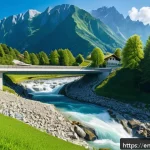
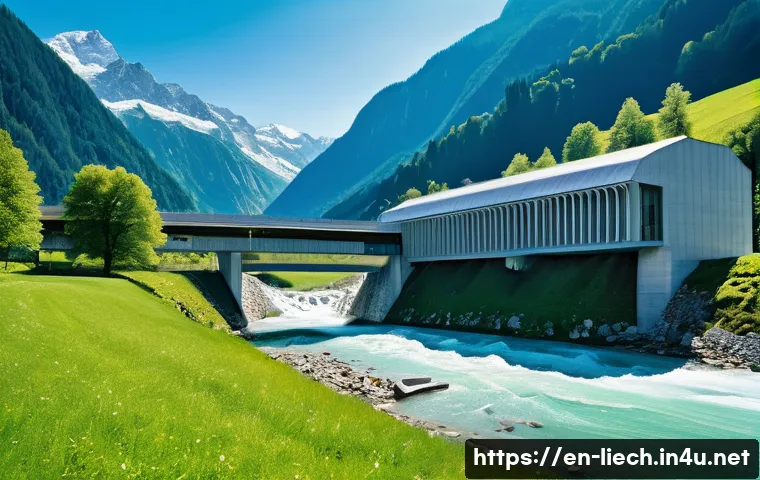
Nestled in the heart of the Alps, Liechtenstein has a natural advantage when it comes to hydropower, and they’ve certainly made the most of it. It’s not just about having mountains; it’s about intelligently harnessing the consistent flow of water that those mountains provide.
This isn’t a new concept for them; hydropower has been a part of the Principality’s energy mix for a long time. What’s truly impressive, though, is how they’ve continued to innovate and optimize these systems for the 21st century.
It’s not about relying on outdated technology, but rather continuously upgrading and expanding their capabilities to meet growing demands while remaining environmentally conscious.
I’ve always been fascinated by how engineering can work hand-in-hand with nature, and Liechtenstein provides some fantastic examples. The sheer scale of their dedication to ensuring these crucial resources are managed sustainably, balancing energy production with ecological preservation, is a testament to their forward-thinking vision.
It’s a powerful reminder that sometimes the oldest forms of energy can be the most sustainable, especially when approached with modern ingenuity.
Tapping into Natural Strengths
Liechtenstein has a remarkable ability to integrate its natural landscape into its energy strategy. The rivers and streams flowing from the Alps are not just picturesque; they are vital arteries of clean energy.
The Principality has strategically placed several small to medium-sized hydropower plants, many of which have been running for decades. These aren’t massive, disruptive dams, but rather well-integrated facilities that provide a steady, reliable base load of renewable electricity.
It speaks volumes about their understanding of their local environment and how to respectfully draw power from it. It’s truly a masterclass in leveraging geographical advantages for sustainable development.
Modernizing Old Systems for New Energy
What sets Liechtenstein apart is their commitment to continuously improving their existing hydropower infrastructure. It’s not enough to have the plants; they need to be efficient and up-to-date.
I’ve heard about significant investments in modernizing turbines, control systems, and monitoring technologies, which dramatically boost their efficiency and minimize environmental impact.
This forward-thinking approach ensures that even their older installations are operating at peak performance, making every drop of water count. It’s a crucial aspect of their energy independence, showing that sustainability is an ongoing journey of refinement and innovation, not a one-time fix.
Beyond the Grid: How Liechtenstein is Building Energy Independence
True energy independence isn’t just about generating power; it’s about managing it smartly, ensuring resilience, and empowering communities. Liechtenstein truly gets this, moving beyond just production to a holistic approach that builds a robust, self-sufficient energy ecosystem.
It’s something I think many larger nations could learn from. They’re not just thinking about today’s needs but planning for tomorrow’s challenges, anticipating how energy demands might shift and how external factors could impact supply.
This foresight is what really distinguishes their strategy. When you consider their size, their comprehensive approach to energy autonomy is particularly striking, showcasing a level of strategic planning and execution that belies their small footprint on the map.
They understand that a diverse and resilient energy system is the cornerstone of long-term national security and prosperity, and they are actively building that foundation with incredible determination.
Smart Grids and Energy Storage
One of the most exciting aspects of Liechtenstein’s energy journey is their push towards smarter grids and effective energy storage solutions. It’s one thing to generate solar or hydro power, but it’s another to ensure that power is available exactly when and where it’s needed, even when the sun isn’t shining or water flow fluctuates.
They’re exploring battery storage solutions and intelligent grid management systems that can balance supply and demand in real-time. This sophisticated infrastructure is key to maximizing the efficiency of their renewable sources and minimizing reliance on external energy imports, truly pushing them closer to full energy independence.
Education and Public Engagement for a Greener Future
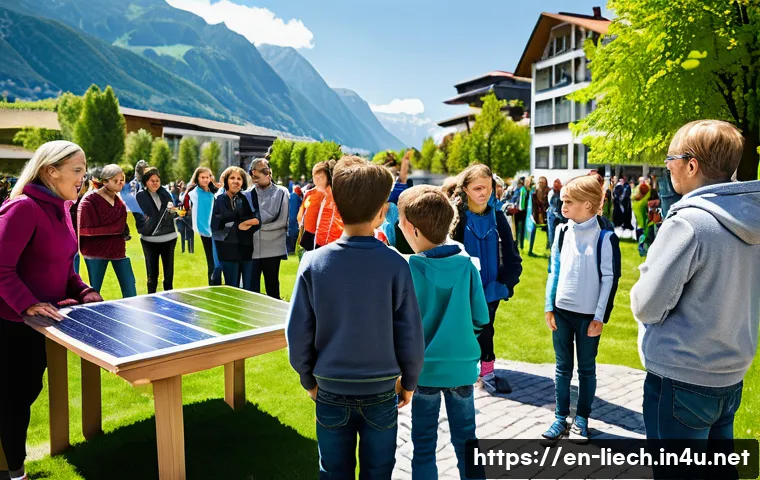
Beyond the technological advancements, Liechtenstein recognizes the crucial role of its citizens in achieving its energy goals. There’s a strong emphasis on public education and engagement programs, making sure everyone understands the benefits of renewable energy and how they can contribute.
From school initiatives to public workshops, they’re fostering a culture of environmental awareness and responsibility. This bottom-up approach creates a powerful collective drive towards sustainability, ensuring that the green transformation is a shared vision, not just a government mandate.
It’s this community spirit that I find particularly inspiring, showing how collective action can truly accelerate progress.
Small Nation, Big Impact: Liechtenstein’s Green Blueprint for Europe
It’s easy to dismiss a small country’s environmental efforts as negligible on a global scale, but Liechtenstein is challenging that notion entirely. What they lack in size, they more than make up for in strategic vision and a genuine commitment to sustainability.
Their achievements in renewable energy aren’t just for internal consumption; they’re serving as a powerful demonstration for other European nations, particularly those with similar geographical or economic constraints.
I believe they’re crafting a blueprint, a practical guide, for how even the smallest players can punch above their weight in the fight against climate change.
It’s inspiring to see them not just meet their own environmental targets but actively strive to influence and inspire others. This kind of leadership, born from practical application and tangible results, holds far more weight than any theoretical discourse.
They are proving that impactful environmental action isn’t exclusive to the G7 nations; it can, and should, be a priority for every country, regardless of its footprint.
| Renewable Energy Source | Key Contribution | Recent Initiatives |
|---|---|---|
| Hydropower | Primary base load electricity generation, historically significant. | Modernization of existing plants, efficiency upgrades, sustainable water management. |
| Solar PV | Rapidly growing sector, significant rooftop installations. | Strong incentive programs, community solar projects, integrated urban planning. |
| Biomass/Waste-to-Energy | Contributing to heat and electricity, waste reduction. | Efficient combined heat and power (CHP) plants, local resource utilization. |
Leading by Example in the Alpine Region
Liechtenstein’s geographic location in the Alps places it among other nations deeply invested in environmental protection. However, its comprehensive and swift transition to renewables sets it apart.
They’re demonstrating that a high standard of living can go hand-in-hand with aggressive climate action. Their policies and the resulting energy mix offer valuable lessons for neighbors like Switzerland and Austria, proving that innovative solutions can be implemented effectively in challenging Alpine terrains.
It’s not just a local success story; it’s a regional beacon of green progress.
Exporting Expertise, Not Just Energy
Beyond their borders, Liechtenstein is quietly becoming a hub for sustainable energy know-how. Their expertise in managing small-scale hydropower, integrating solar into existing infrastructure, and developing smart grid solutions is highly relevant for many communities and even developing nations worldwide.
While they might not be exporting vast amounts of electricity, they are certainly exporting invaluable knowledge and practical experience, contributing to a global shift towards sustainable practices.
This intellectual contribution is perhaps one of their most significant impacts.
From Policy to Practice: Witnessing Liechtenstein’s Green Transformation
It’s one thing to read about government policies and ambitious targets, but it’s an entirely different experience to see them brought to life. My observations during my time in Liechtenstein painted a vivid picture of a nation truly committed to its green transformation.
It wasn’t just the gleaming solar panels or the efficient hydro plants; it was the subtle, everyday shifts in behavior and the tangible results of forward-thinking decisions.
This isn’t a country simply paying lip service to environmentalism; they are actively weaving sustainability into the fabric of their daily existence.
You see it in the way communities manage their waste, the public transport options, and the general awareness among the populace. It’s a compelling testament to how concerted efforts at a national level can genuinely translate into a noticeable and positive change in the environment and quality of life for its citizens.
This hands-on, real-world application of their principles is what makes their story so compelling and so worthy of attention.
Personal Observations of a Greener Landscape
When I visited, I was struck by how seamlessly modern sustainable practices blended into the traditional Alpine landscape. You might expect a jarring contrast, but instead, you find a harmony between the old and the new.
For instance, the electric car charging stations were plentiful, yet subtly integrated into historic town centers. There was a palpable sense of clean air and well-maintained natural spaces, which felt directly connected to their renewable energy efforts.
It gave me a real-world perspective that went beyond statistics and reports, showcasing how policy decisions can genuinely enhance the environment you experience.
The Day-to-Day Impact on Residents
Talking with a few locals, I gathered that the shift towards renewables is not just about big projects; it also affects daily life in positive ways. From lower energy bills due to efficient homes and local production to the peace of mind that comes from knowing their energy is clean, there’s a real sense of pride and benefit.
Kids are taught about sustainability from a young age, fostering a generational commitment. It’s clear that these policies are not just abstract government initiatives; they are deeply ingrained in the lives of the people, making their communities healthier and more resilient.
Investing in Tomorrow: The Economic Upside of Sustainable Energy
While environmental benefits are often the primary focus of renewable energy discussions, it’s crucial to acknowledge the significant economic advantages that come hand-in-hand with this transition.
Liechtenstein has shrewdly recognized that investing in sustainable energy isn’t just an ecological imperative; it’s a smart economic play. They’re building a future that is not only greener but also more prosperous and secure.
This long-term vision positions them favorably against global energy price fluctuations and fosters domestic economic growth. It’s a strategic move that pays dividends, quite literally, both for the national coffers and for individual citizens.
The money that might have once left the country to purchase fossil fuels from abroad is now being reinvested locally, creating a virtuous cycle of sustainable development and economic vitality.
This foresight in economic planning, coupled with their environmental ethics, paints a comprehensive picture of a nation building a truly resilient future.
Job Creation and Local Businesses
The push for renewable energy in Liechtenstein has spurred the growth of a new green economy. I’ve heard about increasing demand for skilled workers in solar panel installation, hydropower plant maintenance, and smart grid technology development.
This creates local jobs, supports small and medium-sized businesses, and keeps economic benefits within the Principality. It’s a wonderful example of how environmental policy can directly translate into tangible economic opportunities, fostering innovation and creating a new sector of sustainable employment.
Long-Term Savings and Energy Security
Reducing reliance on imported fossil fuels has an obvious benefit: greater energy security and protection against volatile international markets. By generating a significant portion of their own electricity from stable, domestic renewable sources, Liechtenstein insulates its economy from external shocks.
Furthermore, the long-term cost savings associated with renewable energy, once initial investments are made, are substantial. This frees up national resources for other essential services and investments, bolstering the country’s economic stability for years to come.
It’s a pragmatic approach to securing both their environment and their financial future.
Community-Driven Green: How Locals Are Powering Change
The success of any national initiative, especially one as transformative as an energy transition, ultimately hinges on the involvement and enthusiasm of its people.
And in Liechtenstein, it’s truly a testament to the power of community. This isn’t just a top-down mandate; it’s a movement that feels organically embraced by citizens, local groups, and even educational institutions.
There’s a palpable sense of collective ownership over their environmental goals, which, in my experience, is quite rare and incredibly effective. It’s this grassroots involvement, where individuals feel empowered to contribute, that adds an invaluable layer of resilience and innovation to their entire green strategy.
The shared vision for a sustainable future isn’t just a slogan; it’s woven into the fabric of everyday community life, demonstrating how powerful collective action can be when everyone is pulling in the same direction.
This level of engagement transforms abstract policies into tangible, local action.
Citizen Initiatives and Renewable Cooperatives
It’s fascinating to see how many local initiatives and energy cooperatives have sprung up across Liechtenstein. These are groups of citizens pooling their resources to invest in community-owned solar installations or local hydropower projects.
This cooperative model not only democratizes energy production but also fosters a stronger sense of community and shared purpose. It allows individuals to directly participate in the renewable energy transition, giving them a stake in their collective green future and proving that when given the opportunity, people truly want to contribute.
The Next Generation of Green Innovators
Perhaps one of the most promising aspects of Liechtenstein’s community-driven approach is the focus on educating and inspiring the younger generation.
Schools and local organizations are actively involved in teaching children about renewable energy, sustainability, and climate protection. This ensures that the commitment to a green future is passed down, fostering a new wave of environmental stewards and innovators.
It’s a long-term investment in their human capital, guaranteeing that the Principality will continue to be a leader in sustainability for decades to come, powered by the passion and ingenuity of its young people.
글을 마치며
Well, folks, diving into Liechtenstein’s green energy initiatives has been nothing short of inspiring. It truly makes you believe that impactful change isn’t just for the superpowers of the world; it can happen anywhere, even in a principality tucked away in the Alps. What I’ve seen and learned here reinforces my belief that with genuine commitment, smart policies, and community spirit, a sustainable future isn’t just a dream – it’s a very achievable reality. It gives me so much hope for what we can all accomplish, no matter how big or small our own contributions may seem, proving that a dedicated vision can truly transform a nation.
알아두면 쓸모 있는 정보
1. Consider Solar for Your Own Home: If Liechtenstein, with its Alpine weather, can maximize solar power, chances are your home can too! Look into local incentives and how a rooftop photovoltaic system could significantly reduce your energy bills and carbon footprint. It’s often more accessible and affordable than you might think, and the long-term savings can be truly substantial, making it a wise investment for both your wallet and the planet. Don’t hesitate to get a few quotes and see the potential.
2. Small Actions, Big Impact: Remember, collective small efforts truly drive big change. From optimizing your home energy use, like unplugging devices when not in use or switching to LED lighting, to participating in community green initiatives, every step you take contributes to the broader sustainability movement. Don’t underestimate the power of your choices; even seemingly minor adjustments to your daily routine can collectively lead to massive positive environmental outcomes.
3. Explore Hydropower’s Potential: While building a large-scale hydropower plant isn’t feasible for every individual, understanding the role of hydropower, even on a micro-scale, is fascinating and important. If you live near consistent water sources, there might be local cooperatives or opportunities to support small-scale hydro projects, which contribute to a stable, reliable base load of renewable energy. These projects often have minimal environmental impact when properly designed and managed.
4. The Power of Policy: Liechtenstein’s success highlights how effective government policies and incentives are crucial for accelerating renewable energy adoption. Support local and national policies that prioritize green energy investments, smart grid development, and public education. Your voice matters, and by advocating for these policies, you can help create an environment where sustainable choices become the norm rather than the exception, driving broader, systemic change.
5. Educate the Next Generation: Just like in Liechtenstein, fostering environmental awareness in children is key to a truly sustainable future. Encourage learning about renewable energy, resource conservation, and ecological responsibility through books, documentaries, or even local workshops. This ensures that the commitment to a green future is passed down, fostering a new wave of environmental stewards and innovators who will continue to push for a healthier planet for decades to come.
중요 사항 정리
What truly shines through Liechtenstein’s story is the profound impact of a unified national vision coupled with active citizen engagement in building a sustainable future. We’ve seen how leveraging natural advantages, like Alpine water for hydropower and abundant sunlight for solar PV, can be incredibly effective when backed by robust modernization efforts and intelligent grid management. The Principality’s journey proves that size is no barrier to becoming a global leader in environmental stewardship, offering a pragmatic blueprint for other nations by demonstrating the economic upsides, like job creation and energy security, alongside the undeniable ecological benefits. Their commitment to educating the next generation and fostering a strong sense of community ownership over their green goals underscores that true transformation is deeply rooted in collective action and a shared responsibility for our planet, creating a resilient and prosperous tomorrow that inspires us all.
Frequently Asked Questions (FAQ) 📖
Q: How does a small nation like Liechtenstein even begin to tackle such ambitious renewable energy goals when larger countries struggle?
A: This is such a brilliant question, and honestly, it’s one I pondered quite a bit! From my personal observations and digging into their strategies, it really comes down to a few key factors that perhaps larger nations could learn from.
First off, their size, while seemingly a disadvantage, is actually a huge asset. Imagine trying to get everyone on board with a new policy in a massive country—it’s a logistical nightmare!
In Liechtenstein, with its close-knit communities, there’s a remarkable sense of collective responsibility and a smoother path for policy implementation.
They have a clear “2050 Climate Vision” aiming for climate neutrality, backed by a “2030 Energy Strategy” with concrete measures. I’ve noticed they’ve been incredibly proactive since the 1990s, with laws like the 1996 Energy Saving Act promoting alternative energy.
What truly strikes me is their unwavering commitment to public involvement and education. Every municipality is an “Energy City,” constantly auditing and improving their energy use, and even running public awareness campaigns.
It’s not just top-down legislation; it’s a genuine cultural shift, encouraged by robust subsidies for things like solar panels and geothermal heating, which really gets individuals and businesses personally invested.
They’re proving that a focused, community-driven approach, even with limited natural resources, can create a powerful ripple effect that larger nations often miss.
It’s inspiring to see how their tight-knit structure fosters a quicker, more effective response to environmental challenges.
Q: What are the primary renewable energy sources Liechtenstein is investing in, and are they really making a significant difference?
A: Great follow-up! When I think about Liechtenstein’s energy mix, two clear frontrunners immediately come to mind: hydropower and solar energy. Given its mountainous Alpine setting, it’s no surprise that hydropower has been a traditional and crucial source for Liechtenstein since the 1920s.
In fact, nearly all of their domestically produced electricity from renewables comes from their hydroelectric plants. It’s a natural fit, and they’ve been continuously optimizing these existing resources.
But here’s where it gets really interesting for me – their impressive push into solar. You see solar panels everywhere, beautifully integrated onto rooftops and even open spaces.
They’re leveraging their ample sunlight with government incentives and feed-in tariffs, making solar power incredibly attractive for both households and businesses.
While they do still import a significant portion of their overall energy, approximately 57% of their energy came from renewable sources in 2022, primarily hydropower and biomass.
That’s a huge step! They’ve set targets to reduce energy demand, increase renewable energy usage, and significantly cut CO2 emissions through their “Energy Strategy for 2024-2030”.
My personal takeaway is that they’re strategically maximizing their natural advantages while also proactively exploring and supporting new technologies.
It’s a pragmatic yet ambitious strategy that’s clearly yielding results, transforming their energy landscape one rooftop and river at a time.
Q: Can Liechtenstein’s strategies be effectively scaled or adapted by larger countries, or are their successes unique to their small size?
A: This is the million-dollar question, isn’t it? It’s tempting to think that Liechtenstein’s successes are solely due to its tiny footprint, but honestly, I believe there are absolutely transferable lessons for larger countries, even if direct scaling isn’t always possible.
What I’ve gleaned from their journey is that while their size certainly facilitates quicker decision-making and community engagement, the principles behind their success are universal.
For instance, their emphasis on a comprehensive, long-term “Climate Strategy 2050” with clear interim targets for emission reduction is something every nation, regardless of size, could replicate.
They’re not just setting vague goals; they’re putting concrete measures in place and regularly monitoring progress. I also find their robust subsidy system for renewable energy to be a powerful driver.
When individuals and businesses are incentivized financially, adoption rates skyrocket. Furthermore, their “Energy City” concept, where all municipalities are actively involved in promoting efficient energy use and renewables, demonstrates the power of local action compounding into national impact.
From my perspective, it’s about political will, consistent policy, community education, and smart financial incentives. Larger countries might face greater complexities in implementation, but the core ideas—fostering a culture of sustainability, empowering local initiatives, and providing clear, long-term policy frameworks—are incredibly valuable.
Liechtenstein shows that commitment and innovation, rather than sheer scale, are the real keys to unlocking a sustainable future.